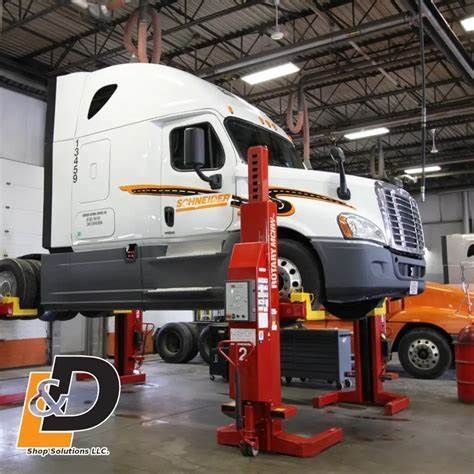
How Much Can You Save With Preventive Shop Equipment Calibration?
February 2, 2026
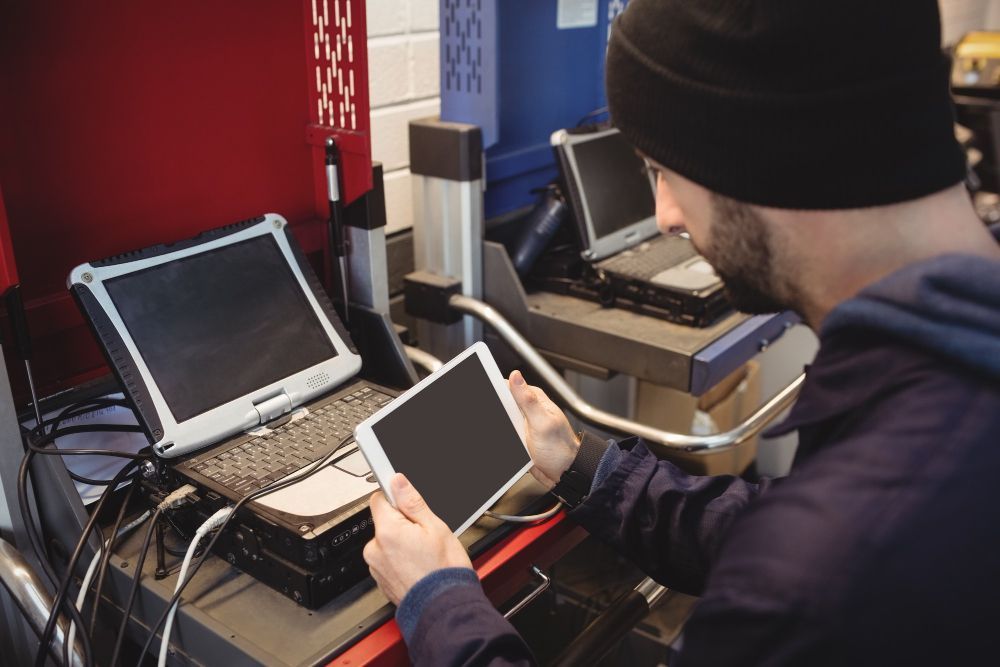
Why Calibration Is Often Overlooked Until Problems Appear
Preventive equipment calibration is rarely a top priority for auto shop owners, largely because its benefits are not immediately visible. When equipment is still operating, even if slightly off, it’s easy to assume everything is fine. The reality is that small inaccuracies compound over time and quietly increase operating costs.
In Angier, NC, many auto shops rely on the same lifts, tire machines, and diagnostic tools day after day. Without regular calibration, those tools slowly drift out of spec, leading to inefficiencies that affect labor time, service accuracy, and even customer trust. Understanding how calibration translates into real savings helps shop owners see it as a financial strategy rather than a maintenance expense.
What Preventive Equipment Calibration Actually Means
Preventive calibration is the process of routinely checking and adjusting shop equipment to ensure it operates within manufacturer specifications.
Rather than waiting for equipment to fail or produce noticeable errors, calibration is performed on a scheduled basis. This keeps machines operating accurately, safely, and efficiently. In an auto shop environment, calibration supports consistent service quality and helps prevent premature wear on high-value equipment.
Equipment That Benefits Most From Regular Calibration
Not all shop equipment requires calibration at the same frequency, but certain tools are especially sensitive to drift. The following types of equipment tend to deliver the greatest return when calibrated regularly.
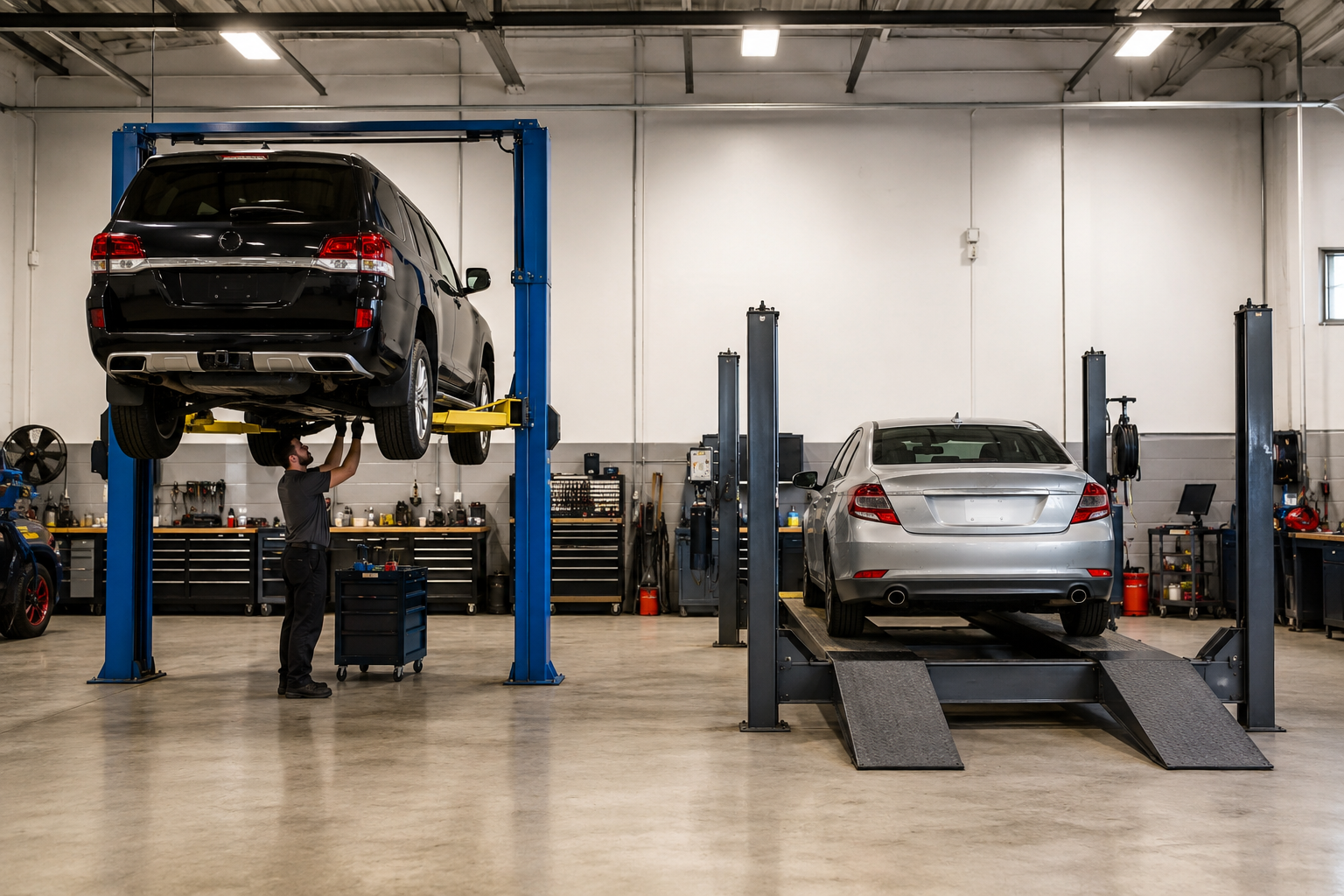
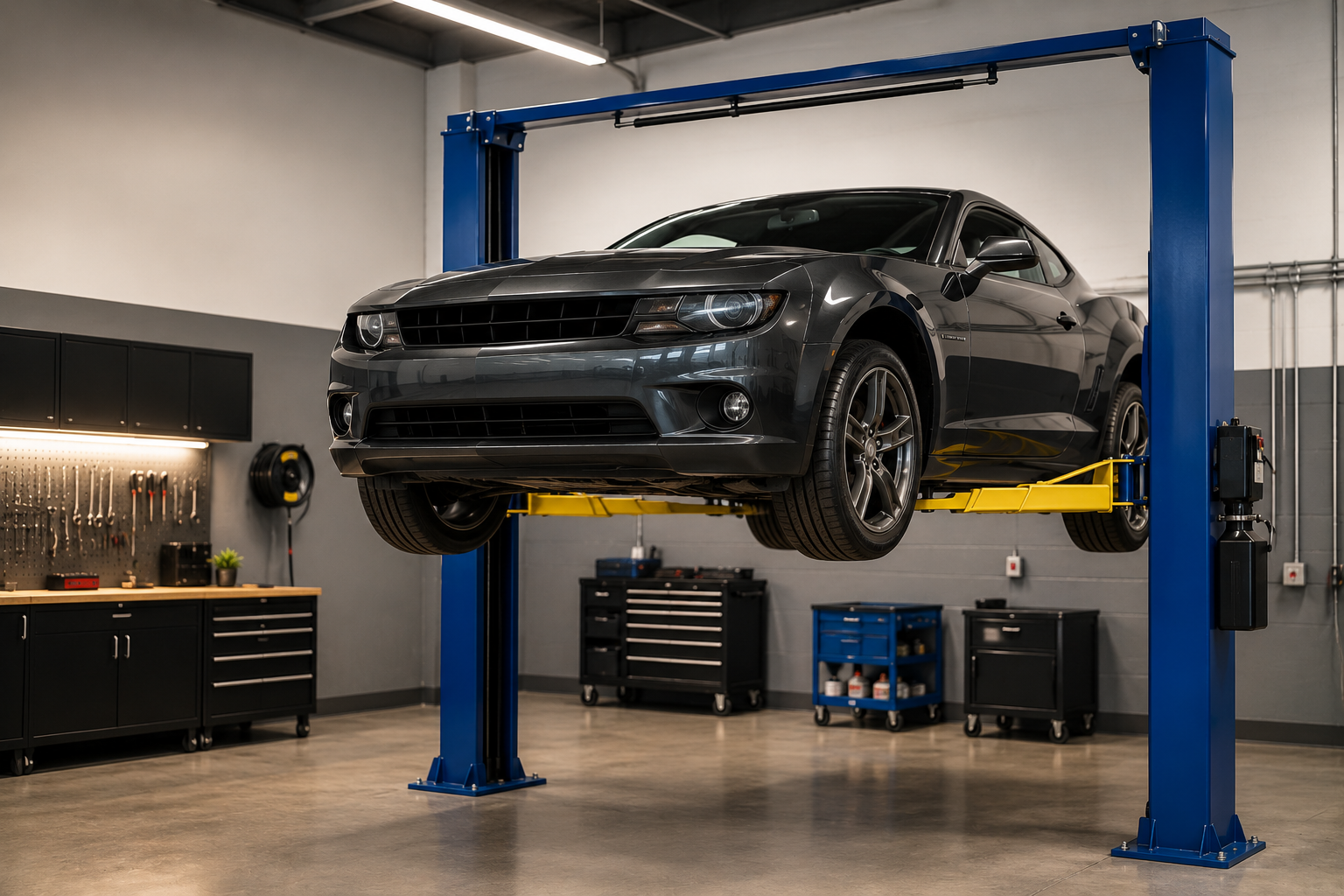
- Vehicle lifts, where alignment and load accuracy affect safety and structural wear
- Wheel alignment systems, where small measurement errors can lead to repeat adjustments
- Tire machines and balancers, where imbalance causes vibration and customer complaints
- Torque tools and diagnostic equipment, where accuracy directly impacts repair quality
Keeping these tools within specification helps prevent cascading issues across multiple services.
How Calibration Directly Reduces Operating Costs
Calibration savings come from several areas that compound over time rather than from a single dramatic reduction.
Properly calibrated equipment shortens service time by reducing rework and troubleshooting. Technicians spend less time compensating for inaccurate machines and more time completing jobs correctly the first time. Calibration also reduces wear on components, lowering repair and replacement costs.
In busy Angier shops, even small efficiency gains across multiple bays can add up to significant annual savings.
The Cost Difference Between Preventive Calibration and Reactive Repairs
Many shop owners compare calibration costs to repair costs without considering long-term impact. The difference becomes clear when comparing how issues are handled.
Preventive calibration spreads costs predictably over time and minimizes disruptions. Reactive repairs often occur unexpectedly, shut down equipment, and require rushed service or part replacement. The downtime associated with reactive repairs is often more expensive than the repair itself.
From a budgeting perspective, calibration turns unpredictable expenses into controlled operating costs.
Long-Term Savings Beyond Direct Equipment Costs
Calibration savings extend beyond equipment performance.
Accurate equipment improves service consistency, which reduces customer comebacks and warranty rework. It also supports technician confidence, allowing staff to work faster without second-guessing measurements. Over time, this consistency strengthens shop reputation and customer retention.
In competitive local markets like Angier, reliability and efficiency are just as valuable as cost savings.
How Shops Typically Structure a Calibration Plan
Most auto shops benefit from a structured approach rather than one-off calibration services. A typical calibration plan follows a simple decision flow.
- Identify critical equipment
Determine which machines directly affect safety, accuracy, and service quality. - Set calibration intervals
Establish schedules based on manufacturer guidance and actual usage. - Document calibration results
Maintain records to track performance trends and compliance. - Adjust schedules as the shop grows
Reevaluate calibration frequency as workload or equipment changes.
This approach keeps calibration aligned with real shop conditions rather than arbitrary timelines.
Frequently Asked Questions About Preventive Equipment Calibration
How often should auto shop equipment be calibrated?
Frequency depends on equipment type, usage intensity, and manufacturer recommendations.
Is calibration required for shop safety?
While not always legally mandated, calibration supports safe operation and reduces liability risks.
Does calibration really save money if equipment still works?
Yes. Calibration prevents inefficiencies and wear that increase costs long before failures occur.
Can calibration reduce equipment downtime?
Regular calibration helps identify issues early, reducing unexpected breakdowns and service interruptions.
Is calibration more important for newer or older equipment?
Both benefit. New equipment stays accurate longer, while older equipment relies on calibration to remain usable.
Final Thoughts on Saving Money With Preventive Calibration
Preventive shop equipment calibration is not about fixing what’s broken. It’s about keeping everything operating at peak efficiency before problems start. For auto shops in Angier, NC, regular calibration supports smoother workflows, lower long-term costs, and more consistent service quality.
Working with a knowledgeable provider like
L&D Shop Solutions LLC allows shop owners to build calibration into their maintenance strategy instead of treating it as an emergency expense. Over time, the savings from reduced downtime, longer equipment life, and improved efficiency can far exceed the cost of calibration itself.