What Does a Complete Tire Service Equipment Setup Cost for a Garage?
February 6, 2026
Why Tire Equipment Costs Are Often Misjudged
Tire service is one of the most consistent revenue drivers for many auto garages, yet the cost of setting up proper tire equipment is often underestimated. Many garage owners focus on a single machine, only to realize later that a complete setup requires multiple pieces working together.
In Angier, NC, garages range from small general repair shops to high-volume tire service operations. The cost of a tire service setup depends heavily on how many vehicles you plan to service, how quickly you need to turn jobs around, and whether tire work is a core service or a secondary offering. Understanding the full scope of what’s required helps prevent underbuying or costly add-ons later.
What Is Included in a Complete Tire Service Setup?
A complete tire service setup consists of multiple machines designed to handle mounting, balancing, and safe wheel handling.
At a minimum, a garage must be able to remove wheels, mount and dismount tires, balance assemblies, and safely reinstall them. As service volume increases, additional equipment becomes necessary to improve speed, reduce technician fatigue, and minimize wheel damage.
Because each piece plays a specific role, total cost is based on how complete and efficient the setup needs to be.
Core Tire Service Machines and Their Cost Impact
The primary tire machines define most of the upfront investment. Each machine serves a different function and affects both speed and service quality.
Tire Changer
The tire changer handles mounting and dismounting tires from wheels. Entry-level models support basic passenger vehicles, while advanced models handle low-profile, run-flat, and larger wheels. Capability and automation level directly affect cost.
Wheel Balancer
A wheel balancer ensures smooth vehicle operation after tire installation. More advanced balancers offer faster cycles, higher accuracy, and support for specialty wheels, increasing upfront cost but reducing rework.
Air and Inflation Equipment
Reliable inflation tools and air management systems are essential for safe tire service. While often overlooked, proper inflation equipment supports consistent pressure and technician safety.
Supporting Equipment That Affects Total Cost
Beyond the core machines, additional equipment contributes to a functional and efficient tire service area.
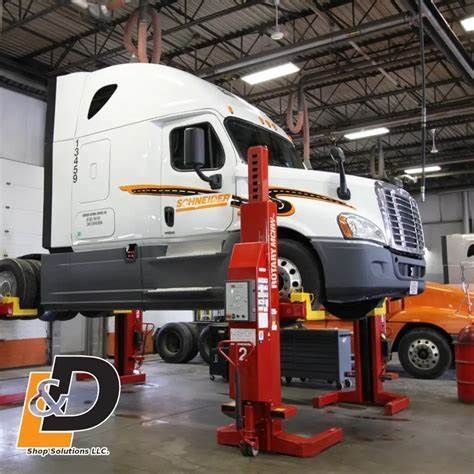
To support daily operations, many garages include items such as wheel lifts, bead blasters, and specialty tools. These additions reduce physical strain on technicians and speed up service times, especially in higher-volume shops.
While these tools may seem optional at first, they often become necessary as tire service demand increases.
How Shop Size and Service Volume Change the Budget
Tire service equipment costs vary significantly based on how the garage operates.
Smaller garages offering occasional tire services typically invest in basic machines with limited automation. Mid-size garages in Angier that handle daily tire work often require more durable equipment designed for repeated use. High-volume tire-focused shops need advanced machines capable of handling specialty wheels and rapid turnaround without downtime.
Choosing equipment that matches actual service volume helps avoid premature wear or unnecessary overspending.
Installation and Space Requirements
Equipment cost is not limited to the machines themselves. Installation and space considerations play a role in the total budget.
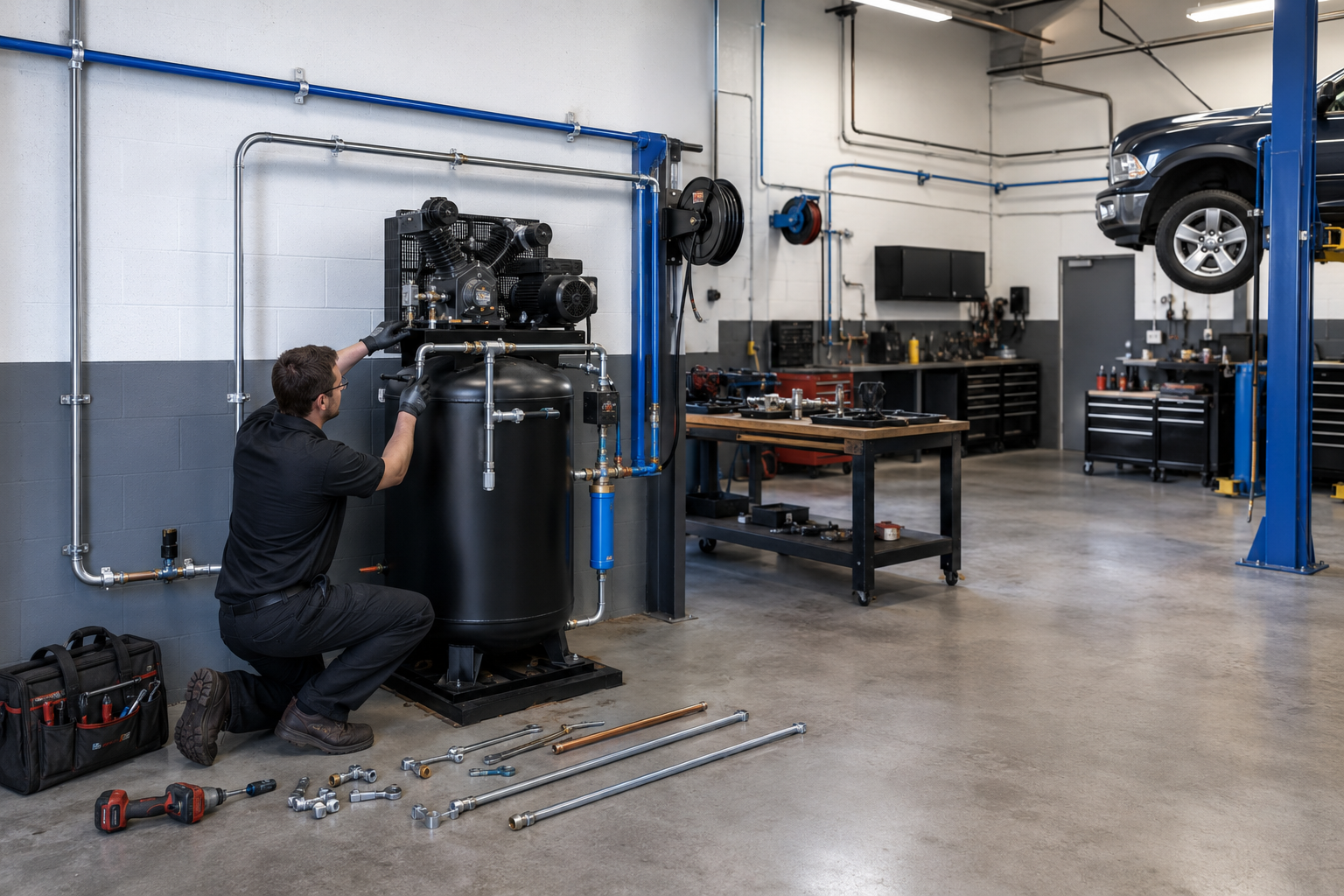
Garages must account for power requirements, compressed air availability, and adequate floor space for safe operation. Older buildings in Angier, NC may require layout adjustments or minor upgrades to accommodate modern tire equipment.
Planning layout and utilities ahead of time prevents delays and added costs during installation.
New Equipment vs Used Equipment Cost Considerations
Some garage owners consider used tire equipment to reduce upfront costs. This decision depends on usage expectations and risk tolerance.
New equipment offers manufacturer support, warranties, and compatibility with modern wheels. Used equipment may lower purchase cost but can introduce reliability concerns, limited support, and higher maintenance expenses. Over time, unexpected downtime often outweighs initial savings.
How to Estimate a Realistic Budget
Budgeting for a tire service setup works best when approached as a decision flow rather than a single purchase.
- Define the scope of tire services offered
Decide whether the garage will handle basic tire swaps, specialty wheels, or high-volume service. - Match equipment capability to vehicle types
Consider wheel sizes, tire profiles, and customer demand. - Account for supporting tools and layout needs
Include air supply, lifts, and safety equipment in the plan. - Plan for growth
Choose equipment that can support increased volume without full replacement.
This approach helps garages avoid piecemeal upgrades that inflate costs over time.
Frequently Asked Questions About Tire Service Equipment Costs
How much does a basic tire service setup cost for a garage?
Costs vary depending on equipment capability, automation level, and installation requirements rather than a single fixed price.
Can a garage start with minimal tire equipment?
Yes, but limited setups often restrict wheel sizes and service speed, which can affect profitability.
Does tire equipment require special electrical or air supply?
Most machines require reliable compressed air and dedicated power connections.
Is high-end tire equipment worth the investment?
For garages with steady tire volume or specialty wheels, advanced equipment often reduces labor time and rework.
How long does tire service equipment typically last?
With proper maintenance, quality machines can remain in service for many years.
Final Thoughts on Tire Service Equipment Setup Costs
A complete tire service equipment setup is more than a single purchase—it’s an investment in workflow, safety, and service quality. For garages in Angier, NC, the right setup depends on service volume, vehicle mix, and long-term business goals.
Working with a trusted provider like
L&D Shop Solutions LLC helps ensure your tire equipment is selected and installed to match real-world needs, not just upfront price. A properly planned setup supports faster service, happier customers, and stronger long-term returns.