How Does a Compressed Air System Get Installed in Your Shop?
September 25, 2026
A compressed air system is one of the most versatile and productivity-boosting investments a shop can make, but the installation process is less straightforward than simply setting a compressor in the corner and plugging it in. For shops in Angier, NC, a properly designed and installed compressed air system delivers clean, consistent air pressure to every tool and workstation in the shop. Getting there requires planning, the right equipment, and proper installation technique. Here is a step-by-step look at how a compressed air system installation actually unfolds.
Step 1: Assessing Your Shop's Air Demand
Every installation begins with a demand assessment. This means calculating how much compressed air your shop actually needs based on the tools and equipment you plan to run simultaneously. Different tools have very different air consumption rates, measured in cubic feet per minute (CFM) at a specific pressure, typically measured in PSI.
Your installer will review your tool list, identify the highest-demand tools, and calculate the peak CFM requirement your system needs to sustain. Shops in Angier, NC running impact wrenches, spray guns, air ratchets, and tire changers simultaneously will need a larger system than a single-bay shop running one tool at a time.
Step 2: Selecting the Right Compressor
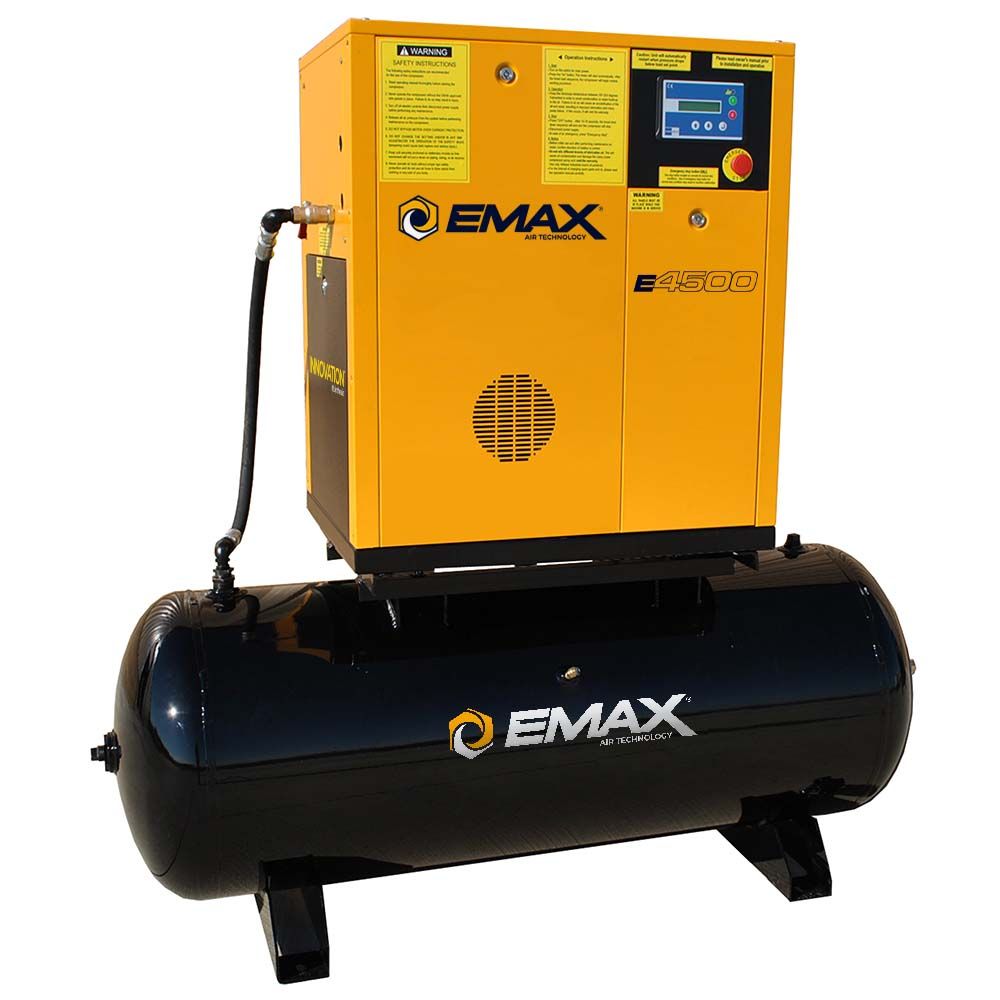
Once the demand is understood, the right compressor can be selected. Compressors are rated by their CFM output at a specific operating pressure, their tank size in gallons, and their horsepower. The following factors guide compressor selection for shop installations.
- CFM output must exceed peak demand with at least a 25% margin
- Tank size should provide enough reserve to handle brief demand spikes
- Duty cycle determines how long the compressor can run continuously without overheating
- Single-phase vs three-phase power availability at your shop determines which motor types are viable
- Noise level matters in smaller or shared spaces, and some compressors are significantly quieter than others
Step 3: Planning the Distribution System in Angier, NC
A compressor sitting in one corner of a shop in Angier, NC is only useful if the air it produces can reach every workstation at adequate pressure. This is where the distribution system comes in. A well-designed air distribution layout uses properly sized pipe — typically Schedule 40 black iron or aluminum — run along the walls and ceiling to deliver air to drops at each bay or workstation.
The pipe diameter must be sized for the volume and length of the run. Undersized pipe creates excessive pressure drop, meaning tools at the end of the line receive lower pressure than tools close to the compressor. Your installer will calculate pipe sizing, plan the routing, and identify the optimal location for pressure regulators, filters, and moisture separators at each drop point.
Step 4: Installation, Testing, and Air Treatment
With the layout designed and materials sourced, physical installation begins. The compressor is positioned on a stable surface, secured as needed, and connected to its dedicated electrical circuit. The distribution piping is run, supported at regular intervals, and connected to the compressor outlet through the appropriate fittings, check valves, and shutoffs.
Air treatment is installed inline to protect your tools and processes. A basic air treatment train for a shop installation in Angier, NC typically includes a coalescing filter to remove oil and particulates, a desiccant or refrigerated dryer to remove moisture, and a pressure regulator and lubricator at each drop where the tools require it. Once all connections are complete, the system is pressure-tested to confirm there are no leaks before tools are connected and operations begin.
Frequently Asked Questions
How long does a compressed air system installation take?
A straightforward single-compressor installation with a basic distribution loop in a standard bay shop typically takes one to two days. Larger shops with complex multi-drop layouts or extensive pipe runs may require three to five days including electrical work.
What type of pipe is best for shop air distribution?
Schedule 40 black iron pipe has been the industry standard for decades and remains a solid choice. Aluminum compressed air piping systems, while more expensive upfront, are faster to install, will not rust, and are easier to modify later. Both perform well when properly installed.
Does a compressed air system need regular maintenance?
Yes. Routine maintenance includes draining moisture from the tank daily or weekly, checking and replacing air filters on a scheduled basis, inspecting belts and valves annually, and testing safety relief valves to ensure they function correctly. A maintenance schedule provided by your installer helps you stay on track.
Can I add more drops to my air system later if my shop grows?
Yes, if the system was designed with future expansion in mind. A good installer will size the main line to accommodate future drops and may cap off stub-outs at planned expansion points during the original installation. Discuss your long-term plans during the design phase.
What causes low air pressure at some drops and not others?
Low pressure at specific drops is almost always caused by undersized pipe, excessive run length, too many fittings in the line, or a leak somewhere upstream. A professional technician can perform a pressure drop test to identify where the loss is occurring and recommend the appropriate fix.
Conclusion
A compressed air system installation is a multi-step process that starts with demand planning and ends with pressure testing and air treatment configuration. When done correctly, the result is a reliable, clean-air supply that powers your shop tools consistently throughout the workday.
L&D Shop Solutions designs and installs compressed air systems for shops throughout Angier, NC and the surrounding communities, providing turn-key service from equipment selection through final testing. If you are planning a new shop build-out or upgrading an existing system,
contact us today to get started.