Two-Post vs Four-Post Lift: Which One Does Your Shop Need?
August 28, 2026
Choosing between a two-post and four-post automotive lift is one of the most important equipment decisions a shop owner or serious garage user will make. Both lift types are widely used and genuinely effective, but they are designed with different use cases in mind. Making the wrong choice can mean buying a lift that does not serve your work style, your vehicle mix, or your available space. For buyers in Angier, NC, here is a clear breakdown of how these two lift types differ and which is the right fit for your situation.
How Each Lift Type Works
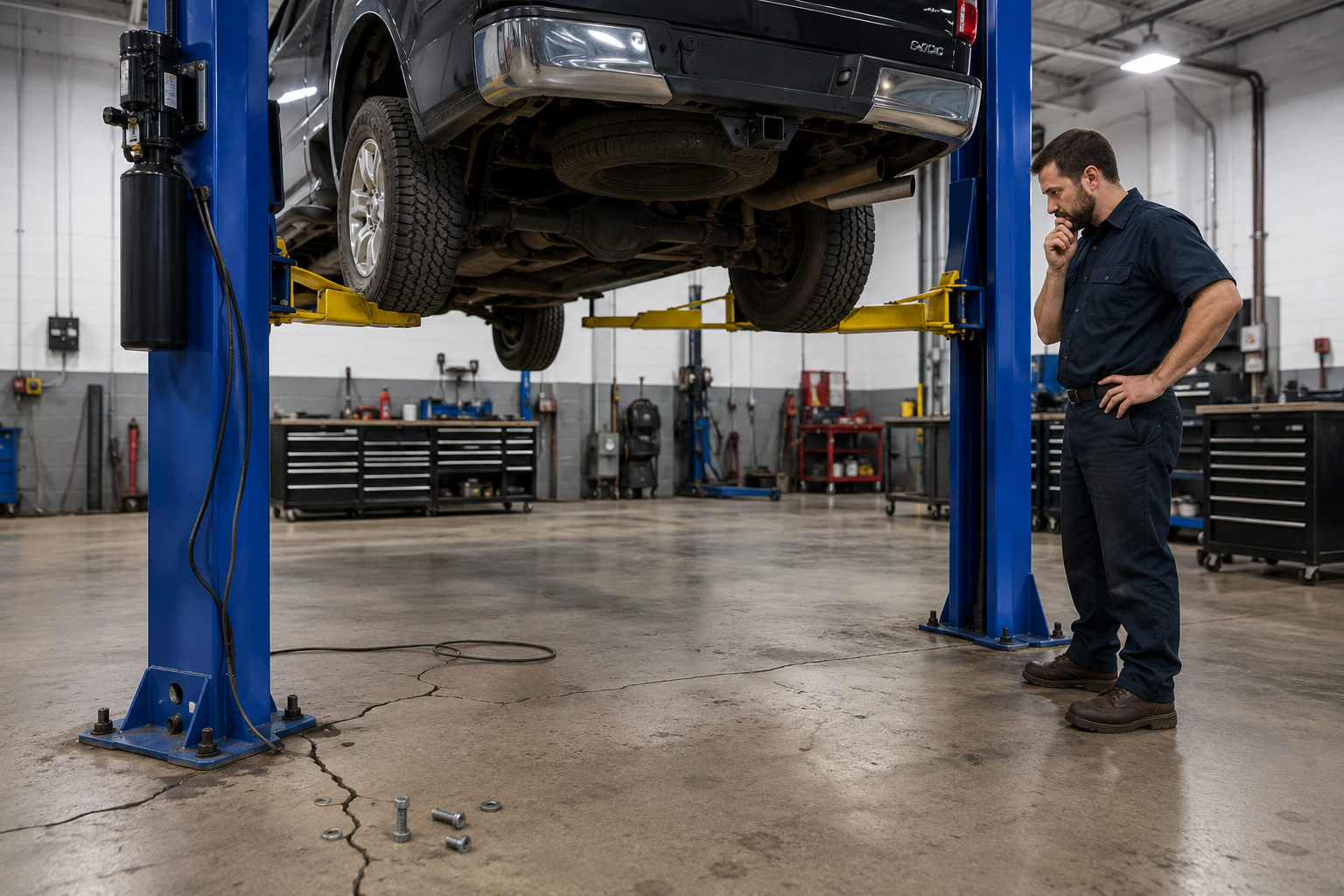
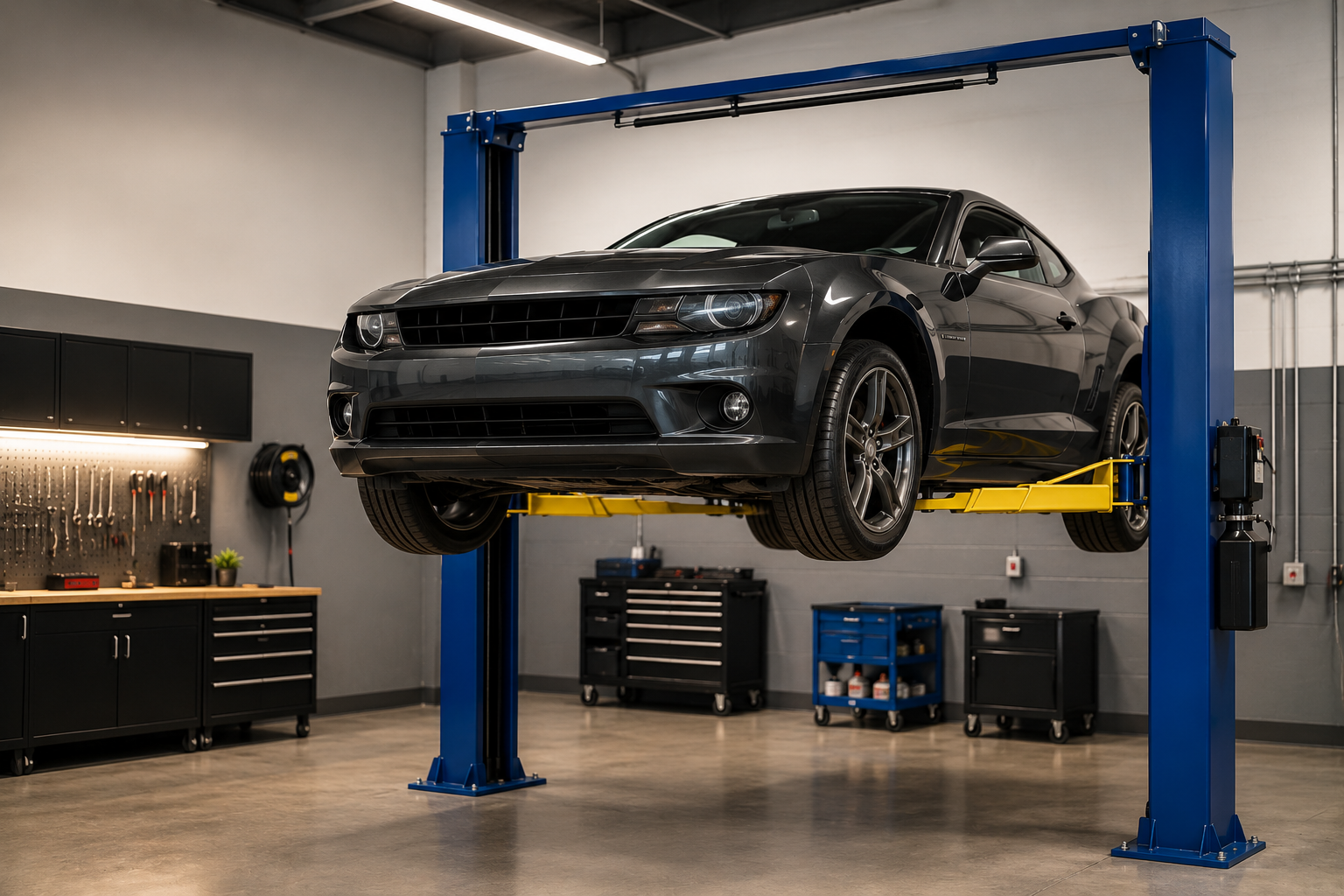
A two-post lift lifts the vehicle by its frame or pinch welds using adjustable arms that extend from two vertical columns positioned on either side of the vehicle. The vehicle is lifted into the air with the wheels hanging free, giving technicians full access to the suspension, brakes, exhaust, and drivetrain.
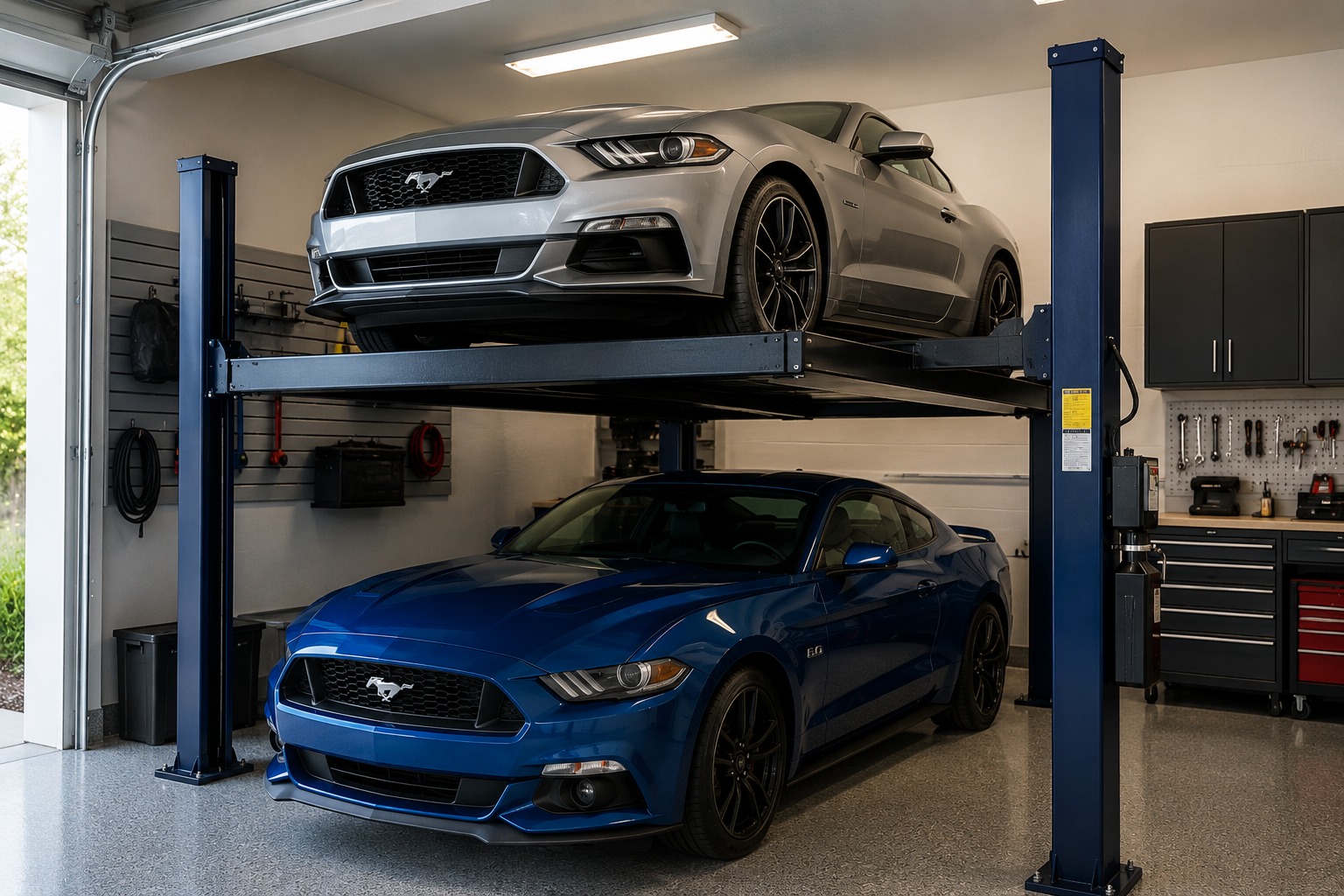
A four-post lift uses four columns and a set of runways that the vehicle drives onto. The entire vehicle, including its wheels, rests on the runways during lifting. This design provides exceptional stability and is widely used for storage, inspections, and work that does not require wheel-off access.
Side-by-Side Comparison
The table below summarizes the key differences between two-post and four-post lifts across the factors that matter most to shop owners and garage users in Angier, NC
| Feature | Two-Post Lift | Four-Post Lift |
|---|---|---|
| Wheel Access | Full - wheels hang free | Limited - tires on runways |
| Best For | Brake, suspension, exhaust work | Oil changes, storage, inspections |
| Floor Space | Less — narrower footprint | More — wider runway span |
| Vehicle Entry | Drive around columns | Drive straight onto runways |
| Stability | High (with proper arm placement) | Very High |
| Typical Capacity | 7,000 to 12,000 lbs | 8,000 to 14,000 lbs |
| Cost Range | $1,800 to $5,000+ | $2,500 to $7,000+ |
| Storage Use | Not ideal | Excellent |
When a Two-Post Lift Is the Right Choice
A two-post lift is the right answer when your primary need is performing mechanical work that requires full access to wheels, brakes, and undercarriage components. For professional shops in Angier, NC that perform brake jobs, suspension work, tire changes, or drivetrain repairs on a daily basis, the two-post lift is the workhorse of choice. It takes up less floor space than a four-post, allows vehicles to be entered and exited easily, and gives technicians unrestricted access to the wheel wells and undercarriage.
Two-post lifts are also the more affordable entry point in most cases, making them the preferred first lift for shops that are building out their equipment inventory.
When a Four-Post Lift Makes More Sense
A four-post lift is the better choice when storage is a primary use case, or when the work being performed does not require wheel-off access. For homeowners in Angier, NC looking to store a second vehicle overhead or create additional floor space in a two-car garage, the four-post design is ideal. It is also preferred for alignment shops, detail shops, and operations where vehicle stability is the top priority.
Many shops and home garages ultimately benefit from having one of each. The two-post handles daily mechanical work, while the four-post serves as a storage or secondary service lift. If budget requires choosing just one, the answer comes down to your most common use case.
Frequently Asked Questions
Can I do an oil change on a two-post lift?
Yes, oil changes are straightforward on a two-post lift. The vehicle is raised high enough for full access to the oil pan and drain plug. The only limitation is that the drain pan must be positioned carefully since the vehicle is lifted by its frame rather than its tires.
Are four-post lifts more difficult to install?
Four-post lifts have a larger footprint and slightly more complex installation due to the four anchor points and runway assembly, but professional installation time is similar to a two-post — typically a half-day to full day. Both require properly rated concrete.
Can a two-post lift be used for long-term vehicle storage?
Technically yes, but it is not ideal. Leaving a vehicle suspended by its pinch welds for extended periods is hard on the vehicle's body structure. Four-post lifts with full tire contact are the preferred choice for extended storage.
Do both lift types require the same electrical setup?
Both types typically require a dedicated electrical circuit, though specific voltage and amperage requirements vary by model. Confirm the electrical specs of the specific unit you are considering before installation.
Which lift type is easier to resell if I upgrade later?
Two-post lifts have a somewhat stronger resale market among independent mechanics and hobbyists. Four-post lifts are also in demand, particularly among buyers with storage needs. Both hold value reasonably well when from reputable brands and kept in good condition.
Conclusion
The choice between a two-post and four-post lift comes down to how you primarily plan to use it. For daily mechanical work requiring wheel access, a two-post lift is the clear winner. For storage, inspections, and situations where stability is paramount, a four-post lift delivers superior performance. Many shops in Angier, NC eventually run both.
L&D Shop Solutions carries a full range of two-post and four-post lifts from leading brands, and the team can help you identify the right fit for your space, your vehicles, and your workflow.
Contact us to discuss your options.