What Happens When You Skip Professional Lift Installation?
September 4, 2026
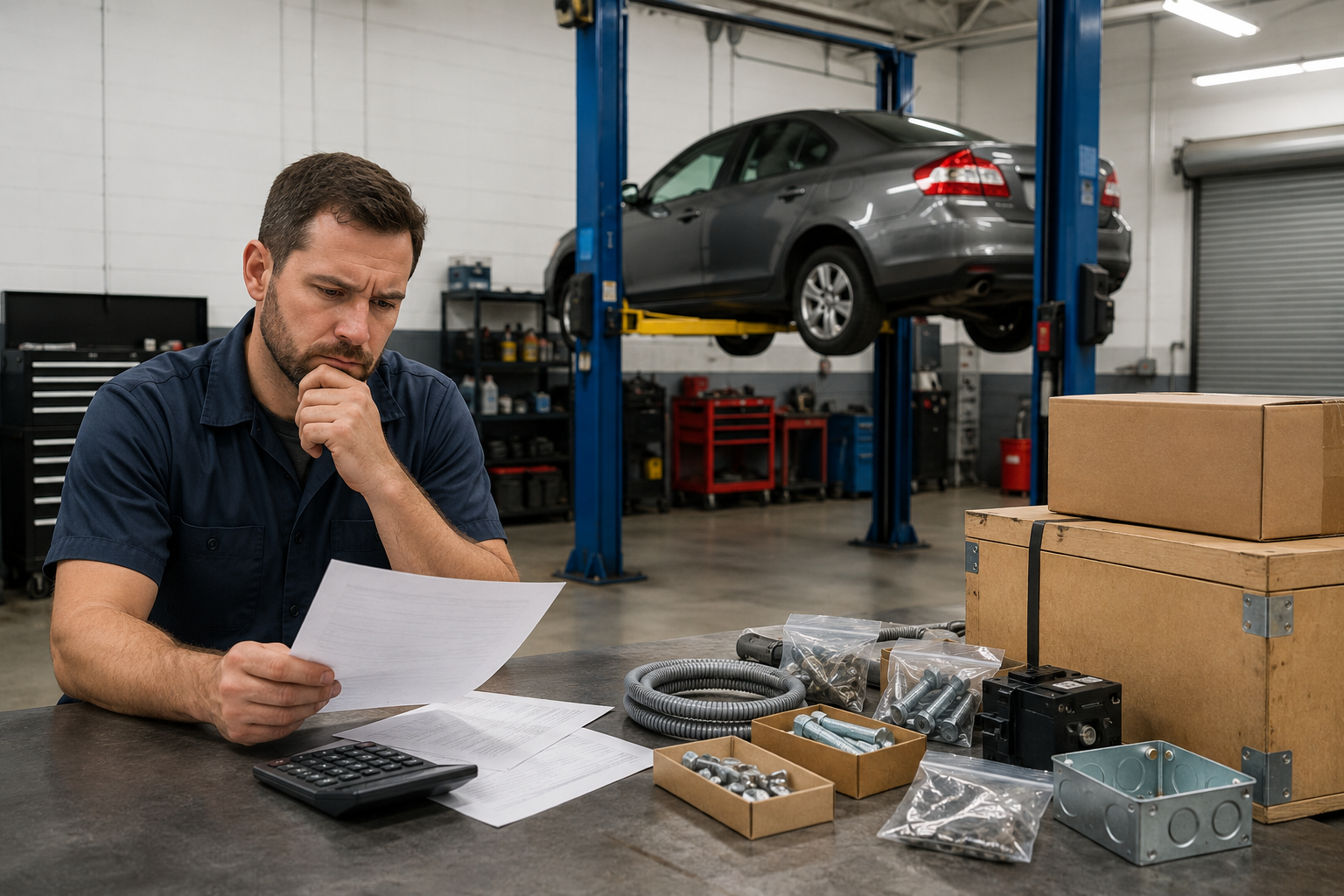
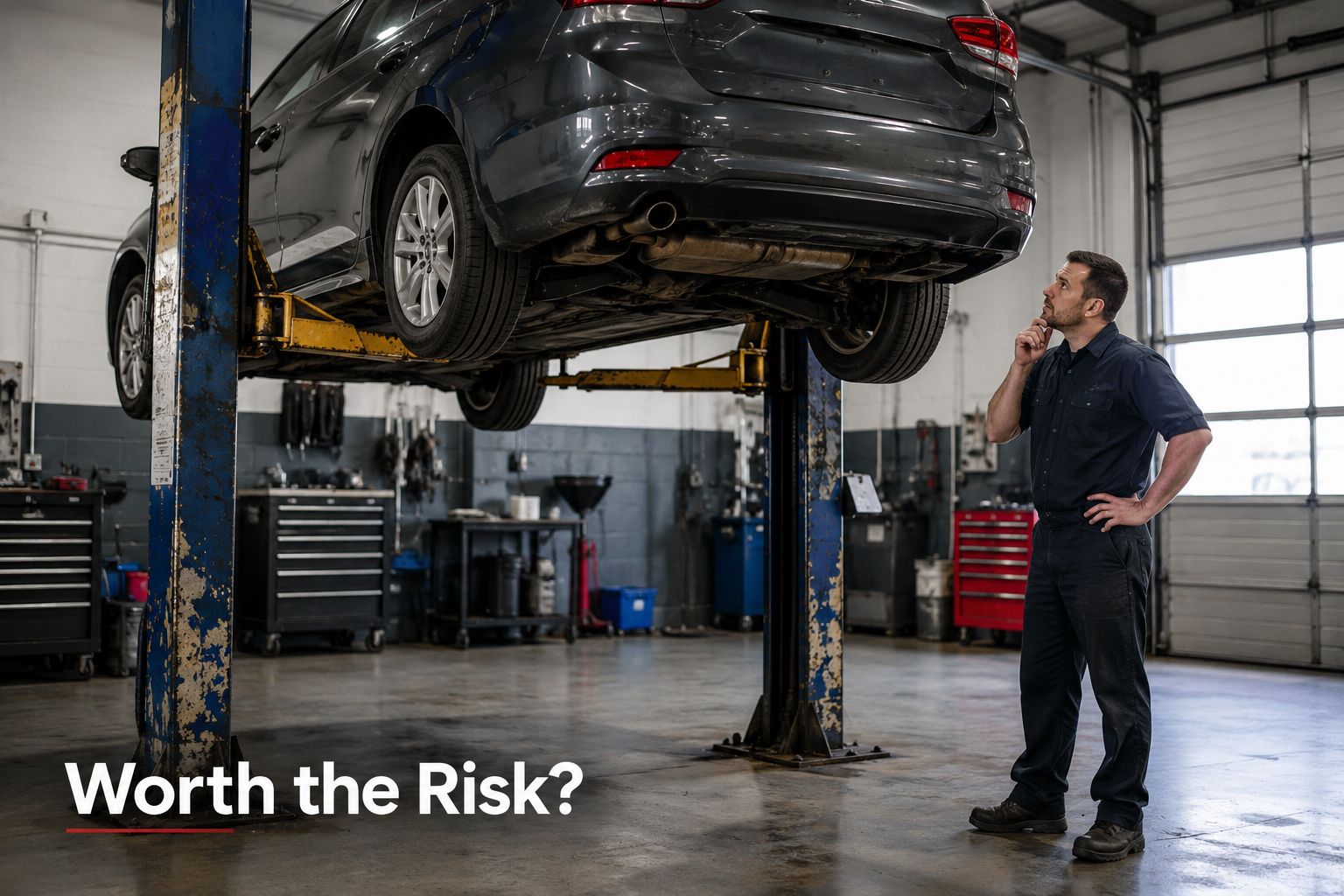
Car lifts can look deceptively straightforward to install. The hardware is heavy but not complicated, and for mechanically inclined buyers, the idea of self-installation carries real appeal. But in the automotive lift industry, skipping professional installation is one of the most dangerous decisions a shop owner or homeowner can make. The consequences range from voided warranties and failed inspections to catastrophic equipment failure and serious injury. Here is a clear account of what actually goes wrong when lift installation is handled without professional oversight.
Voided Warranties and Manufacturer Liability
Almost every major automotive lift manufacturer requires professional installation as a condition of the product warranty. Rotary, Bendpak, and Eagle — three of the leading brands available in Angier, NC — all specify in their warranty terms that installation must be performed by a qualified professional. Self-installation voids this coverage entirely.
That means if a component fails within the first year of ownership due to a manufacturing defect, a self-installer has no warranty claim to pursue. The cost of repairing or replacing failed components falls entirely on the owner. Given that hydraulic cylinders, cables, and safety locks are not inexpensive to replace, this is a significant financial exposure.
Concrete Anchoring Failures: The Most Common Serious Risk
The most dangerous consequence of improper lift installation is anchoring failure. A 2-post or 4-post lift must be anchored to concrete that meets specific thickness and compressive strength requirements. If the anchor bolts are installed in concrete that is too thin, too weak, or has been drilled at the wrong angle or depth, the lift column can pull free from the floor under load.
A lift column failure does not just drop the vehicle — it does so suddenly and without warning while a person is likely underneath. This is an extreme safety event that can be fatal. In Angier, NC and throughout North Carolina, there have been documented cases of lift-related injuries traceable to improper anchoring. A professional installer assesses the slab before any drilling begins and confirms that anchoring conditions are met.
Electrical Hazards and Code Violations
Many automotive lifts require dedicated electrical circuits. Wiring a dedicated 220V circuit without a licensed electrician is illegal in North Carolina for most applications and creates real risks of its own. Undersized wiring causes overheating and is a fire hazard. Improper grounding can make the lift frame electrically live under fault conditions. The following electrical issues are common in self-installed lift setups.
- Undersized wire gauge causing overheating during motor operation
- Missing or improperly connected ground wire creating shock hazards
- No dedicated circuit breaker, leading to tripped breakers during operation
- Improper weatherproofing on outdoor or semi-outdoor installations
- Code violations that are discovered during a home inspection when the property is sold
Structural and Alignment Consequences
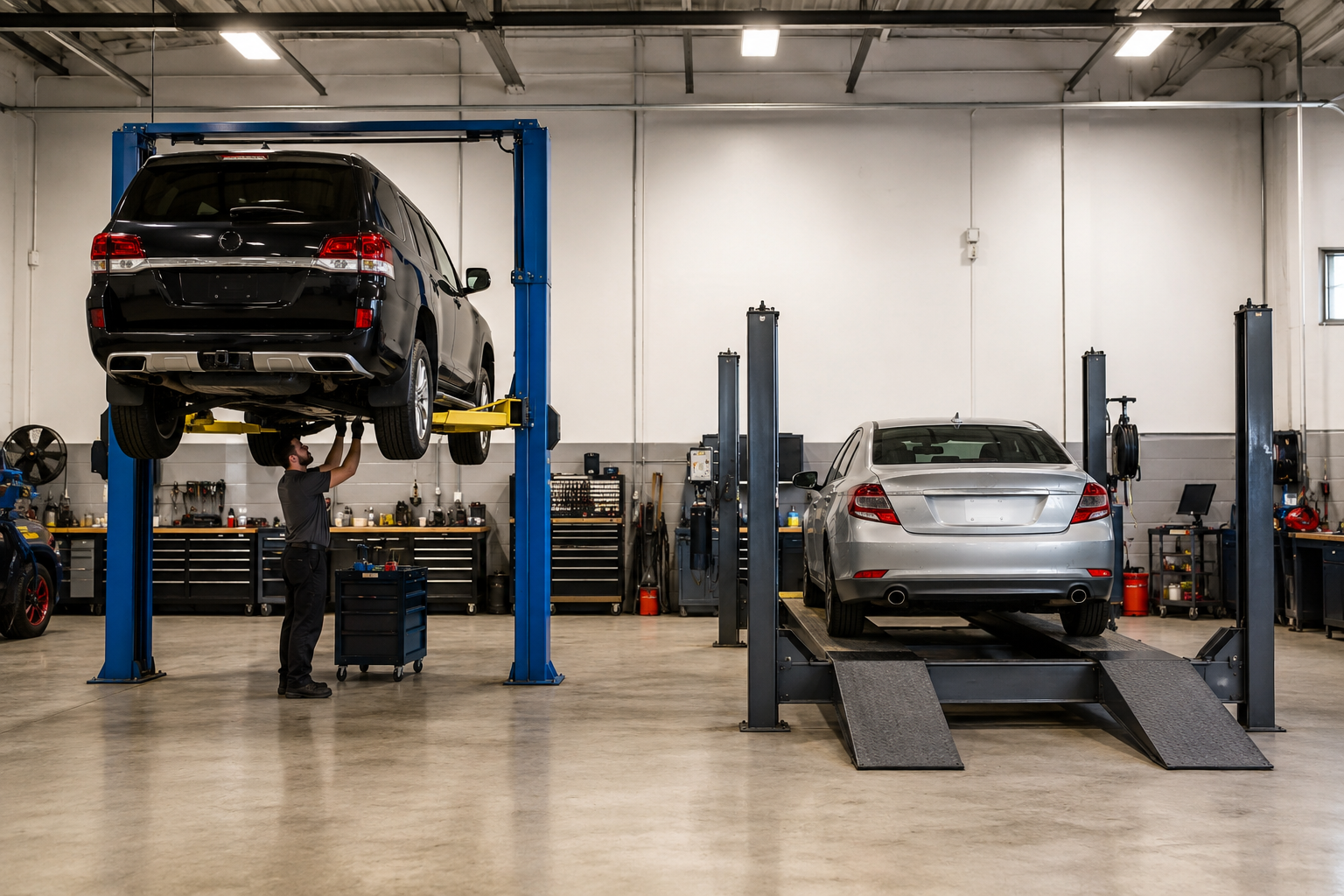
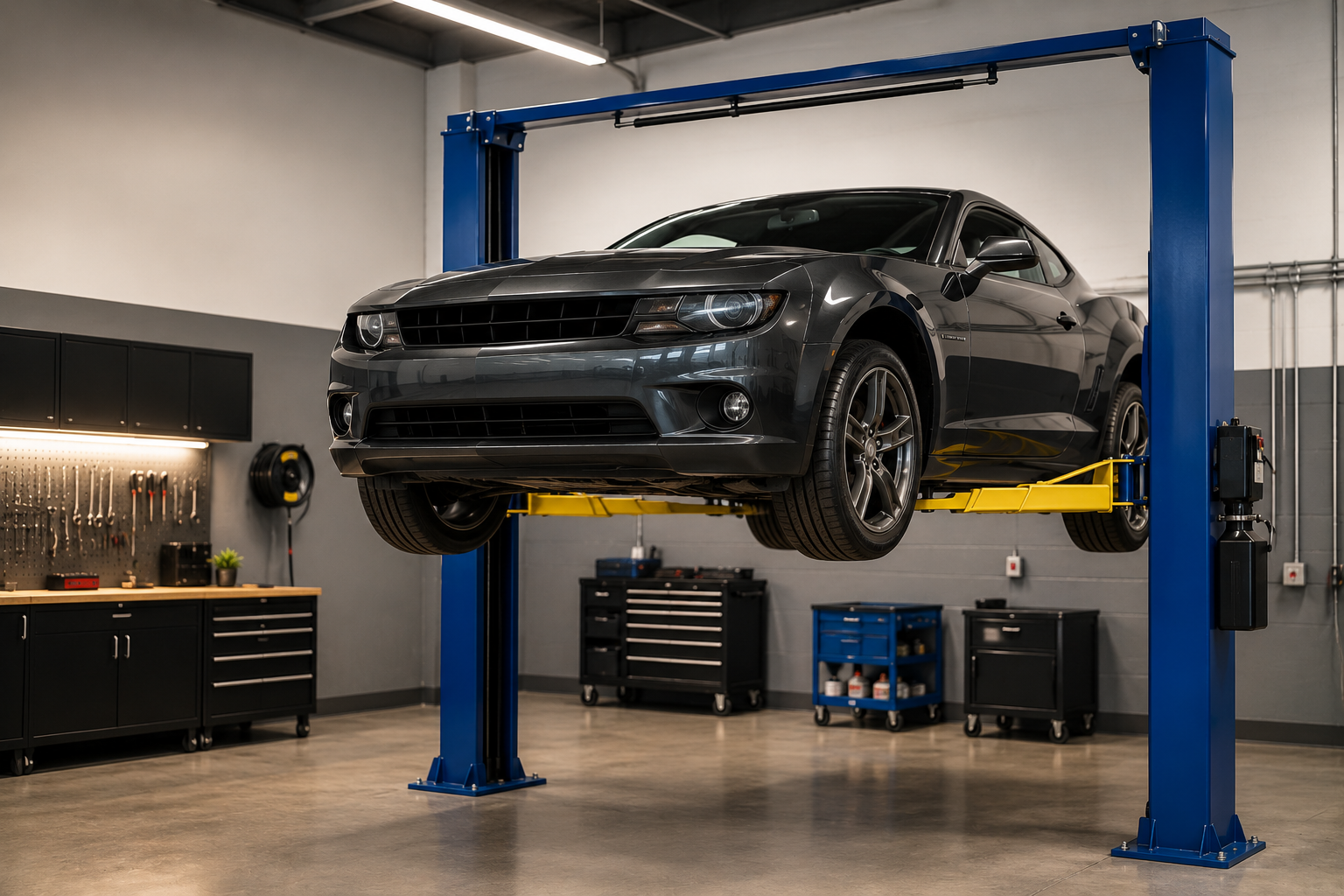
Even when the anchoring and electrical work is done correctly by a careful self-installer, improper column alignment is a frequent problem. If the two columns of a 2-post lift are not positioned at precisely the right distance and angle relative to each other, the lift will not operate correctly. The lifting arms may not reach the vehicle's lift points symmetrically, causing uneven loading. Over time, this places excessive stress on one column and creates unpredictable behavior during operation.
Professional installers use specialized tools and years of hands-on experience to ensure column placement is precise. For shops in Angier, NC running lifts with multiple vehicles per day, a misaligned lift is a liability every single time it is used.
Frequently Asked Questions
Can I install a 2-post lift myself and then have a professional inspect it?
Some installers will inspect a self-installed lift, but many will not take liability for equipment they did not install. More importantly, most manufacturers will not reinstate a voided warranty based on a post-installation inspection. It is always better to have a professional do the installation from the start.
What qualifications should a lift installer have?
Look for installers with experience specifically in automotive lift installation, familiarity with the manufacturer's installation requirements for the specific lift you purchased, and an understanding of local concrete and electrical code requirements. Many reputable dealers like L&D Shop Solutions handle installation with trained technicians.
Is self-installation of a residential storage lift also risky?
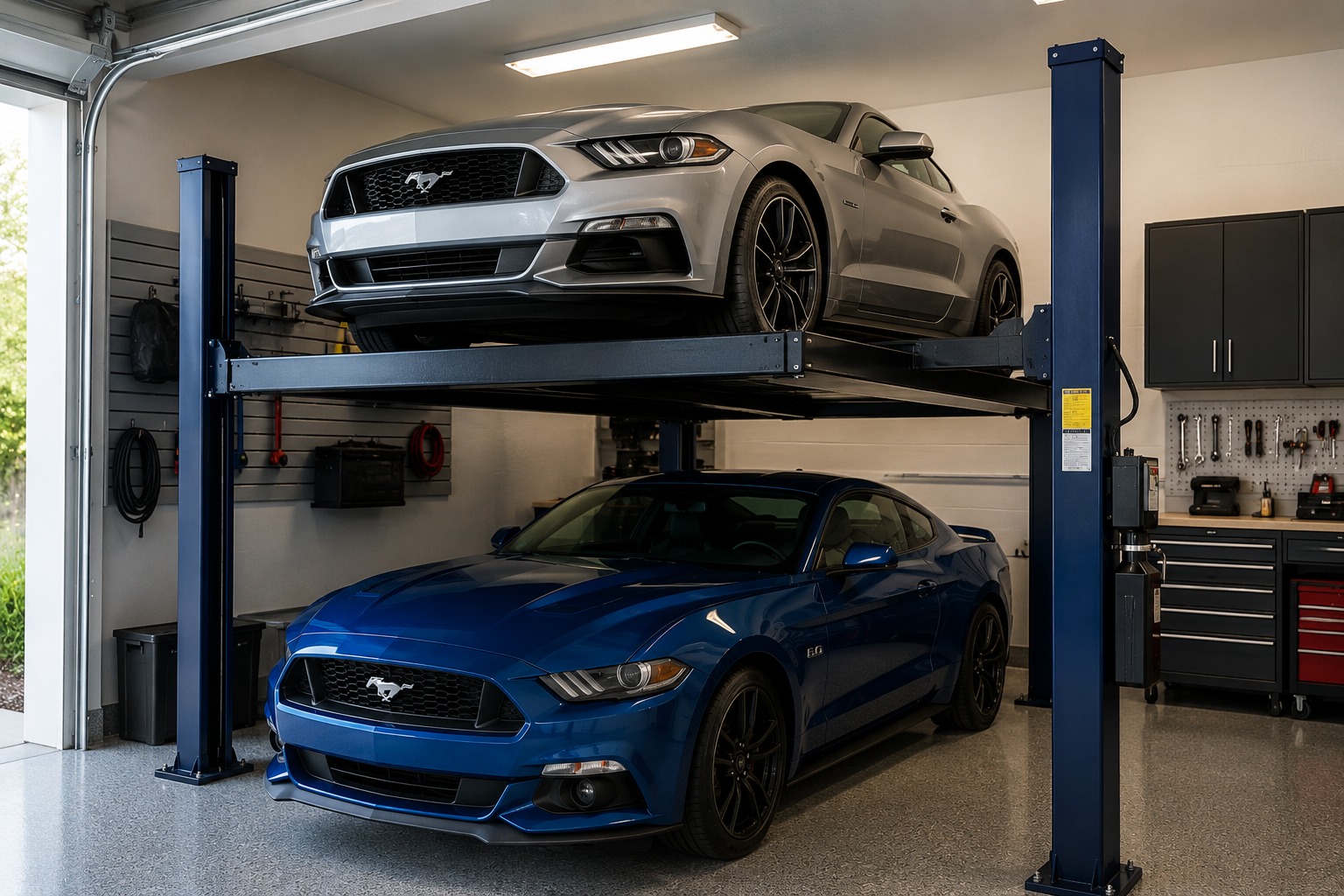
Yes. While residential storage lifts have fewer mechanical complexities than automotive service lifts, improper anchoring and structural attachment to the ceiling joists can still lead to catastrophic failure. Ceiling joist capacity must be verified before installation, which requires professional assessment.
What should I do if I have already self-installed a lift and have concerns?
Stop using the lift until it has been inspected by a qualified professional. Have the anchor torque verified, the column alignment checked, and the electrical connections inspected by a licensed electrician. Any concerns about safety should be addressed before resuming use.
Does homeowner's insurance cover lift-related accidents?
Coverage varies significantly by policy. Many homeowner's insurance policies do not cover commercial activities and may have exclusions for certain types of equipment. If you have a lift in your garage, inform your insurance carrier and confirm your coverage. Improperly installed equipment could give an insurer grounds to deny a claim.
Conclusion
Skipping professional lift installation puts your warranty, your safety, your property, and potentially your life at risk. The consequences of an anchoring failure or electrical fault are severe and often irreversible. Professional installation is not a luxury — it is a prerequisite for safe, reliable lift operation.
L&D Shop Solutions provides complete installation services throughout Angier, NC and the surrounding area, ensuring every lift is anchored correctly, aligned precisely, and connected safely. Do not take the shortcut that costs far more than it saves.
Contact us today to schedule your installation.