Is Financing Shop Equipment Smarter Than Paying Upfront?
August 7, 2026
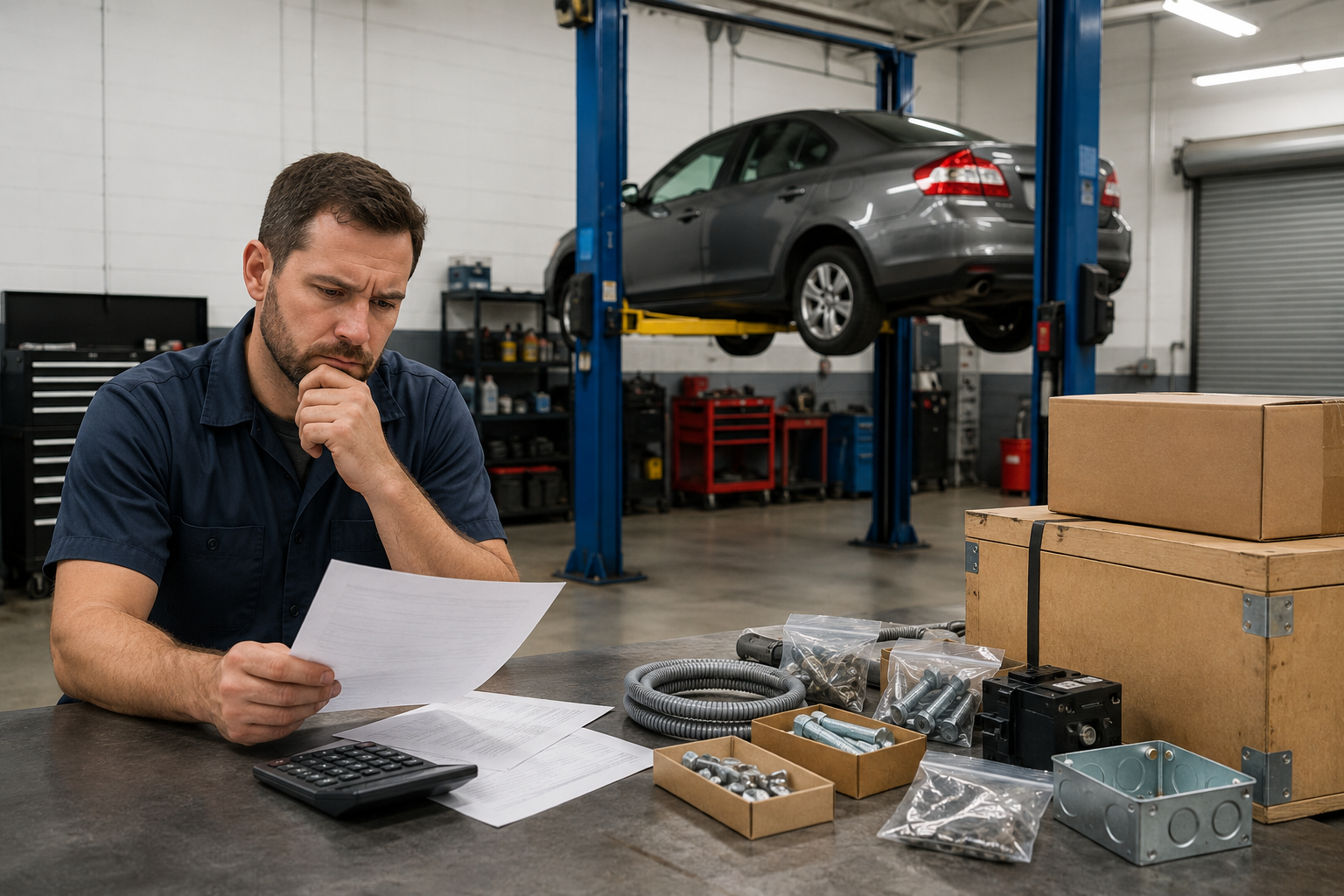
When it comes to equipping a shop or upgrading a garage with major equipment like automotive lifts, compressors, or tire service machines, most buyers face the same fundamental decision: pay in full upfront or finance the purchase over time. For shop owners and serious enthusiasts in Angier, NC, this is not simply a question of how much cash you have on hand. It is a strategic decision that has real implications for cash flow, tax planning, and long-term business health. Here is a clear-eyed look at both options.
The Case for Financing Shop Equipment
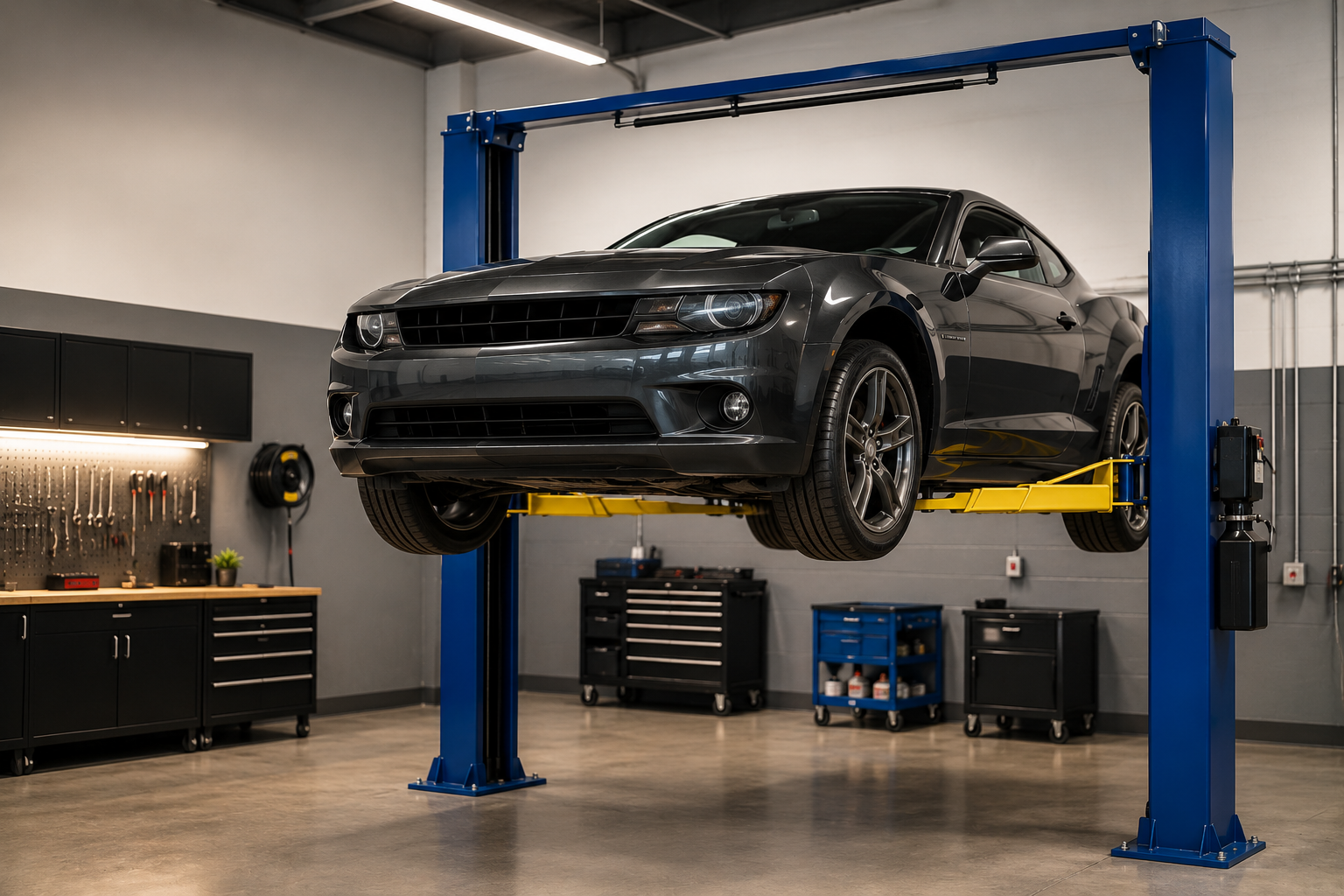
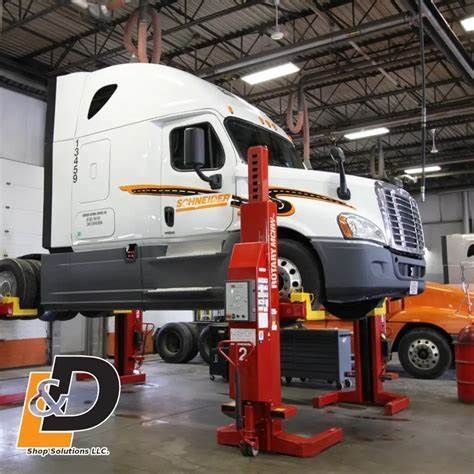
Financing lets you put revenue-generating equipment to work immediately without depleting your operating capital. For a working shop in Angier, NC, a new automotive lift can generate income from day one. If that lift enables you to take on additional vehicles or reduce turnaround time, the revenue it generates can offset a significant portion of the monthly payment while your cash reserves stay intact for payroll, supplies, and unexpected expenses.
Equipment financing rates for well-qualified buyers currently range from 5% to 15% annually depending on the lender, the borrower's credit profile, and whether the loan is secured or unsecured. Spreacad over 24 to 60 months, monthly payments on a $5,000 lift installation become manageable for most shops, and the equipment is working to pay for itself throughout that period.
The Case for Paying Upfront
Paying in full eliminates interest costs and the administrative overhead of managing a loan payment. For buyers with strong cash reserves, purchasing outright is the simplest path. There is no application, no credit check, and no monthly obligation. Ownership is immediate and unconditional.
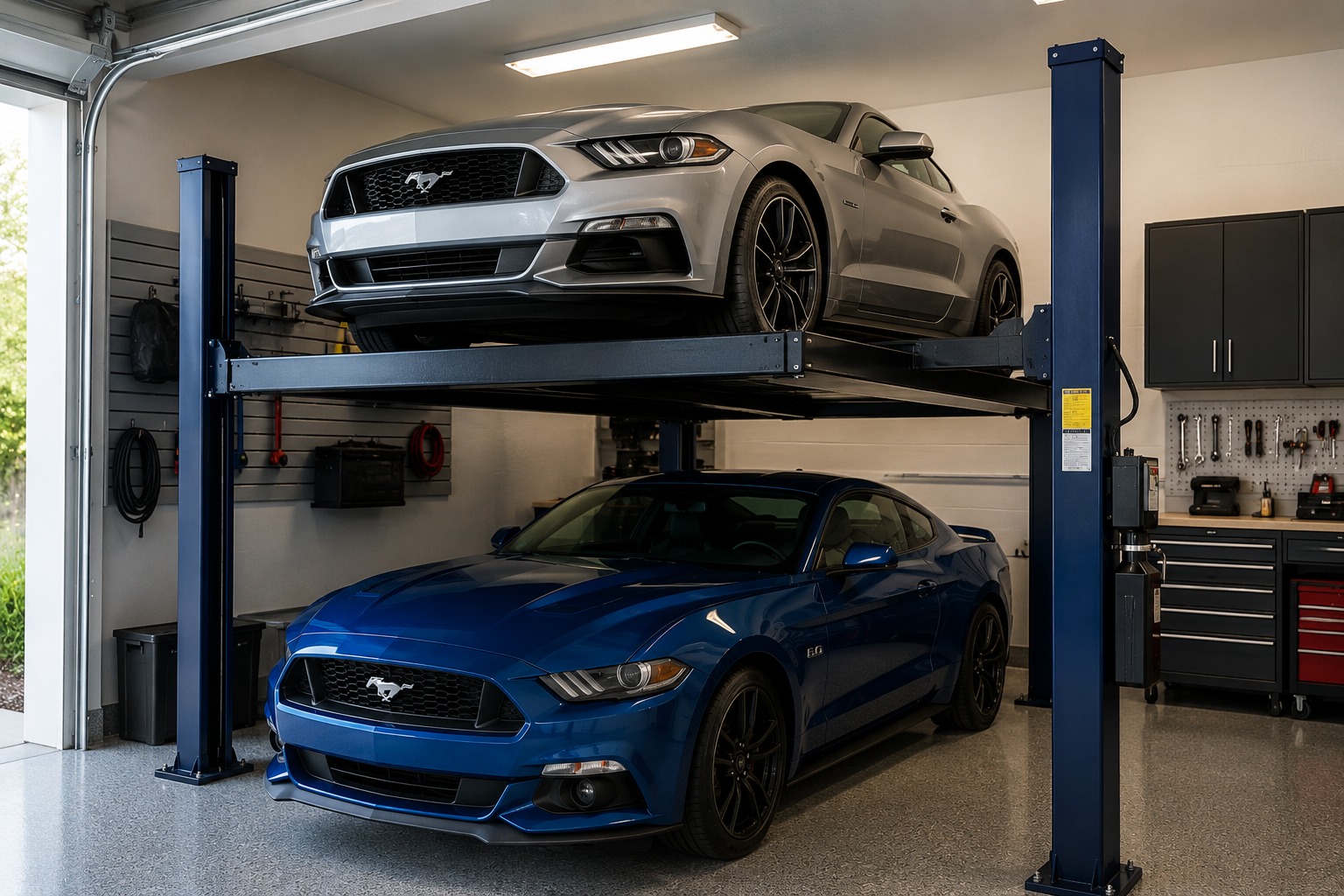
There is also a psychological component to owning equipment free and clear that many shop owners value. When business is slow or unexpected expenses arise, not having a loan payment hanging over the operation provides a meaningful degree of financial security. For homeowners in Angier, NC adding equipment to a personal garage rather than a commercial operation, paying cash is often the right call since the equipment is not directly generating income.
Tax Implications That Tip the Scale
One area where financing often wins on paper for business owners is tax treatment. Under Section 179 of the IRS tax code, businesses may be able to deduct the full purchase price of qualifying equipment in the year it is placed in service, even if the equipment was financed. This can create a situation where you deduct the full purchase price on your taxes while only paying a small portion of the actual cost that year through loan payments — a powerful cash-flow advantage.
Consult with a tax professional familiar with North Carolina business tax law to understand exactly how this applies to your situation. The rules change periodically, and the benefit depends on your business structure, profitability, and equipment type.
Questions to Ask Before You Decide
The right choice between financing and paying cash depends on your specific financial situation and business goals. Consider the following questions before making your decision.
- Do you have three to six months of operating reserves after the purchase?
- Will the equipment generate revenue that exceeds the monthly loan cost?
- What is the financing rate being offered, and is it competitive?
- Are there any prepayment penalties if you want to pay the loan off early?
- Has your tax advisor confirmed whether Section 179 applies to this purchase?
Frequently Asked Questions
What credit score is typically needed to finance shop equipment?
Most equipment lenders look for a credit score of 640 or higher for standard financing terms. Buyers with scores above 700 generally qualify for the most competitive rates. Some lenders specialize in working with newer businesses or buyers with challenged credit, though rates will be higher.
Is a down payment required for equipment financing?
Requirements vary by lender. Some programs offer 100% financing with no money down. Others require 10% to 20% down, particularly for larger purchases or borrowers with lower credit scores. Always ask about down payment requirements when comparing lenders.
Can sole proprietors and individual garage owners finance equipment?
Yes. Equipment financing is available to individuals, sole proprietors, and LLCs, not just corporations. Lenders will evaluate personal credit and may require personal financial statements depending on the loan size.
What happens if I sell my business while equipment is still financed?
Financed equipment is typically subject to a lien held by the lender. The loan must be satisfied — either paid off or transferred — as part of any business sale. This is a standard process and well understood by business brokers and attorneys who handle these transactions.
Are there manufacturer or dealer financing options available?
Yes, many equipment dealers work with preferred lenders to offer financing at the point of sale. These programs can be competitive and convenient, though it is always worth comparing them to bank or credit union options before committing.
Conclusion
Whether financing makes more sense than paying cash depends on your cash position, how the equipment will be used, and your tax situation. For income-generating shop equipment, financing often preserves capital and delivers tax advantages that make it the smarter financial choice. For personal use equipment in a non-commercial setting, paying cash is usually simpler and cheaper overall.
L&D Shop Solutions works with buyers throughout Angier, NC and the surrounding area and can help connect you with financing options if needed.
Contact us to discuss your equipment needs and find the solution that fits your budget.