How Much Can a Storage Lift Save You in Garage Space?
July 24, 2026
If you have ever wished your garage had twice the floor space, a storage lift might be one of the smartest investments you have not yet considered. For homeowners in Angier, NC, where garages often double as workshops, storage rooms, and project spaces, reclaiming floor space without expanding the building is a genuinely compelling proposition. Storage lifts work by utilizing the vertical space that most garages waste entirely — the air above your head. Here is a real look at how much space they can save and what that means for how you use your garage every day.
How Storage Lifts Work
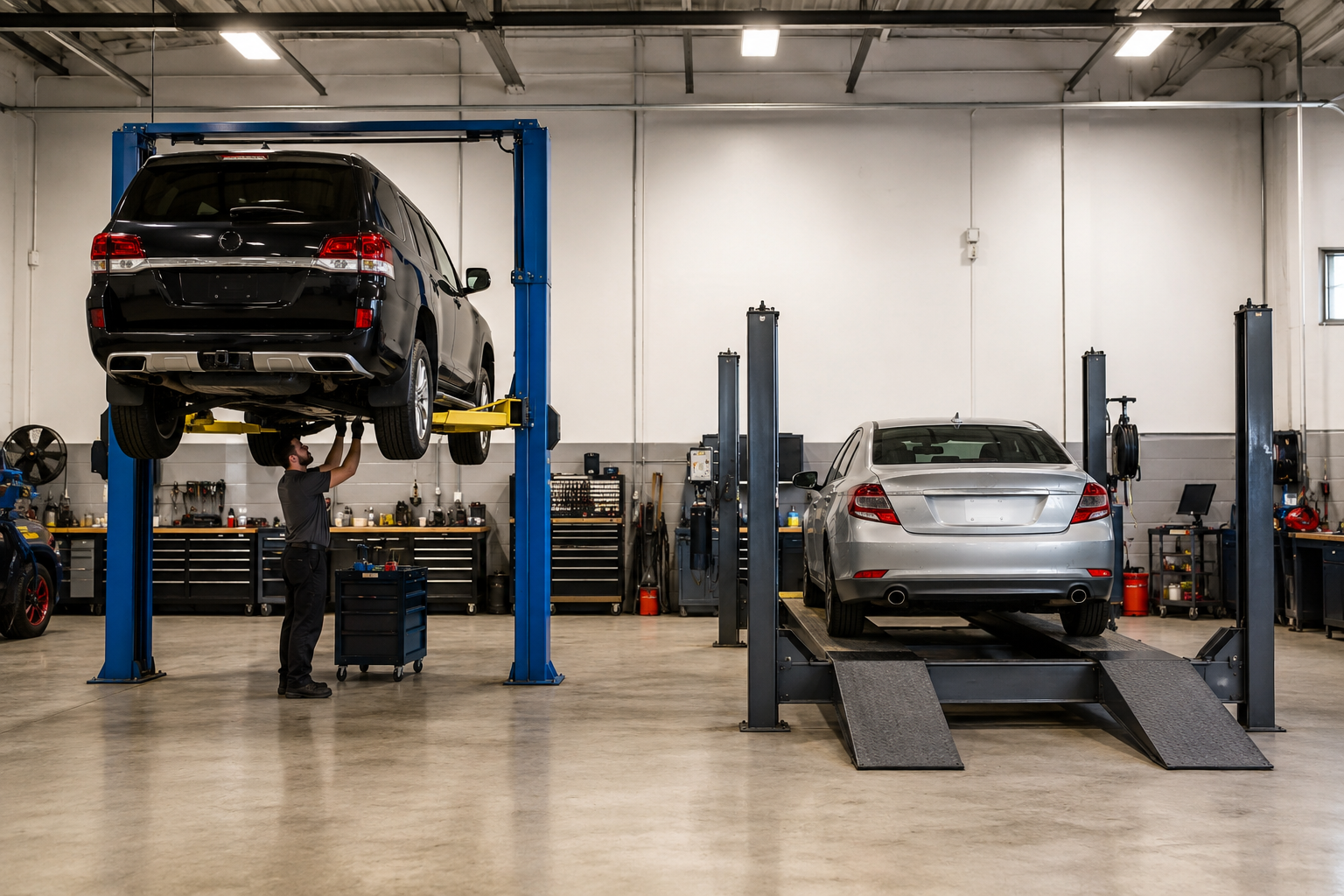
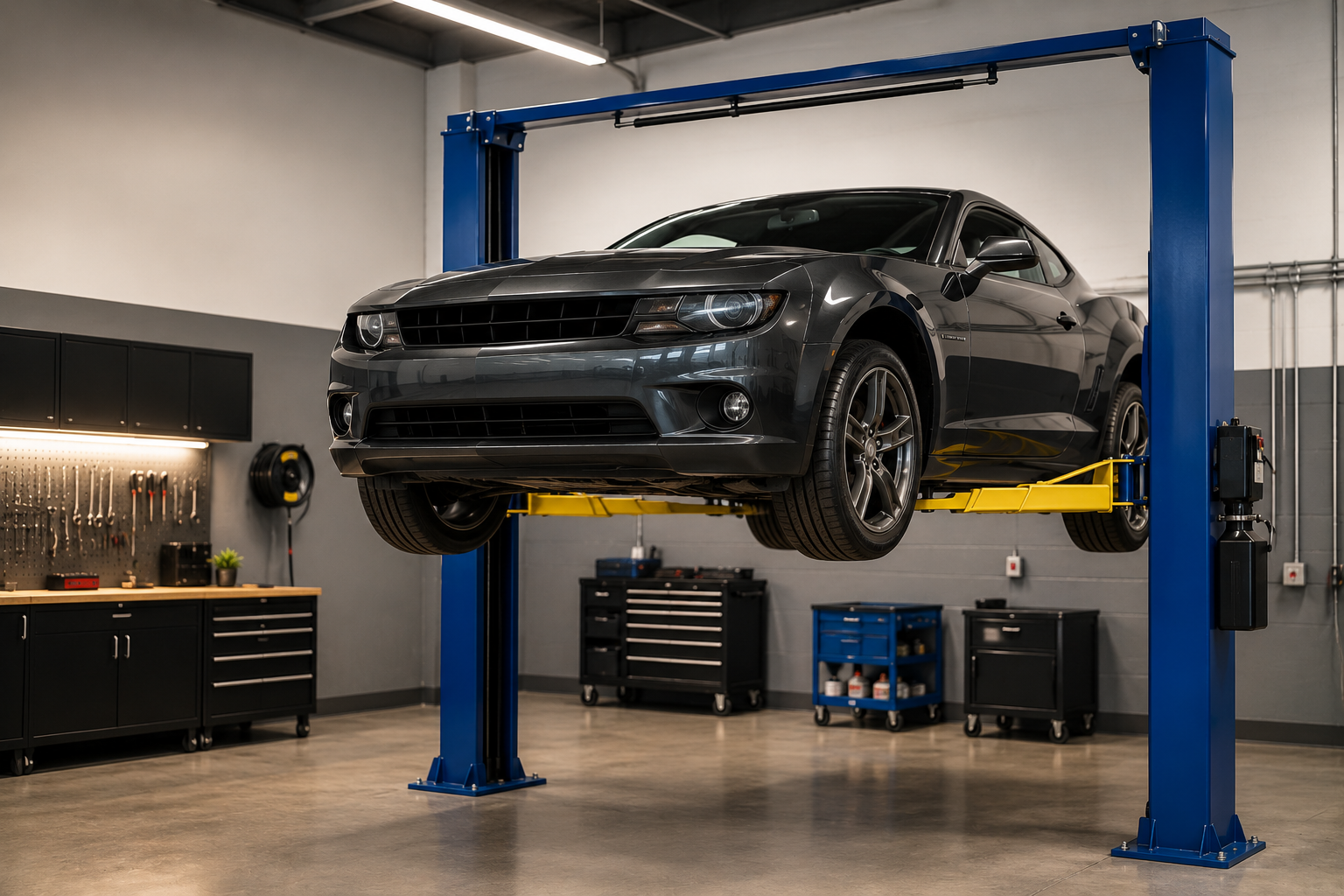
A garage storage lift is a motorized platform system that raises and lowers to allow you to store vehicles, motorcycles, seasonal equipment, or large items overhead when they are not in use. Once raised, the stored item is completely out of the way, freeing the floor space beneath it for other uses. Systems vary in capacity and lift height, with most residential models capable of raising loads between 1,000 and 9,000 pounds to heights of 7 to 12 feet depending on your ceiling clearance.
Installation is typically completed in a single day and requires anchoring to the floor and ceiling structure. Once installed, the lift is operated with a simple control system, making it easy for any household member to use.
The Real Numbers: How Much Floor Space Can You Recover?
The average sedan or SUV occupies roughly 160 to 200 square feet of garage floor space. Storing that vehicle overhead with a storage lift effectively doubles the usable floor area in that portion of your garage. In a standard two-car garage in Angier, NC, that means potentially recovering 160 to 200 square feet of usable floor space — the equivalent of adding a small room to your home.
For homeowners who use the garage as a workshop, gym, or hobby space, that reclaimed area can be transformational. Many homeowners in the Angier, NC area who install storage lifts report that their garage effectively becomes a multi-purpose space for the first time, rather than a vehicle storage room where other activities compete for floor space.
Beyond Vehicles: Other Storage Applications
While storing a second vehicle overhead is the most dramatic space saver, storage lifts handle a wide variety of items that commonly take up floor space in residential garages. The following types of items are regularly stored on residential storage lift platforms.
- Motorcycles and ATVs
- Kayaks, canoes, and paddleboards
- Seasonal recreational equipment like jet skis and golf carts
- Large bins of seasonal clothing, holiday decorations, and gear
- Workshop equipment that is used occasionally but takes up floor space when stored
The flexibility of storage lifts makes them useful for a wide range of households, not just those with multiple vehicles competing for garage space.
Return on Investment: Is It Worth the Cost?
Residential storage lifts typically cost between $3,000 and $8,000 installed, depending on the model, capacity, and ceiling height requirements. For homeowners in Angier, NC who would otherwise rent a storage unit to accommodate the overflow from a crowded garage, the math often works out very favorably. Self-storage units in the area run between $80 and $200 per month, which means a storage lift can pay for itself in storage unit savings within two to four years — while also improving the daily functionality of your home.
Beyond the practical financial return, an organized, functional garage with a lift installed also adds marketable appeal to a home. Many buyers in today's market actively look for garages with upgraded functionality, and a professionally installed storage lift is a standout feature.
Frequently Asked Questions
Does my garage ceiling need to meet a minimum height for a storage lift?
Yes. Most residential storage lifts require a minimum ceiling height of 10 to 11 feet to provide adequate clearance for the stored vehicle and safe operation. Measure your ceiling before selecting a model, and consult with your installer about which systems work within your specific height constraints.
How much weight can a residential storage lift hold?
Residential models typically have rated capacities ranging from 1,000 to 9,000 pounds. Always verify the weight of the item you plan to store and choose a lift with a capacity that provides a comfortable safety margin above that weight.
Will a storage lift work with an existing garage floor?
Most storage lifts can be installed on standard residential concrete slabs in good condition. Your installer will assess the slab thickness and condition during the site visit to confirm compatibility before installation begins.
Are storage lifts safe to use alone?
Yes, modern residential storage lifts are designed with safety systems that prevent unintended lowering and include emergency stop functions. However, always follow the manufacturer's operating guidelines and avoid exceeding the rated weight capacity under any circumstances.
Can a storage lift be removed if I sell the house?
Yes, but most homeowners choose to leave them installed as they add home value. Removal is possible if desired and typically requires filling the anchor holes in the concrete floor.
Conclusion
A storage lift can recover 160 to 200 square feet of garage floor space in a typical two-car garage, making it one of the highest-impact upgrades available to homeowners who feel perpetually short on space. Whether you need room for a second vehicle, a workshop, or recreational gear, a lift transforms how your garage functions.
L&D Shop Solutions installs residential and commercial storage lifts throughout the Angier, NC area, providing customized solutions designed to fit your space and your storage needs.
Reach out today to find out which system is right for your garage.