What Are the True Costs of Upgrading Your Garage Storage Lift System?
March 1, 2026
Why Storage Lift Upgrades Usually Start With Operational Friction
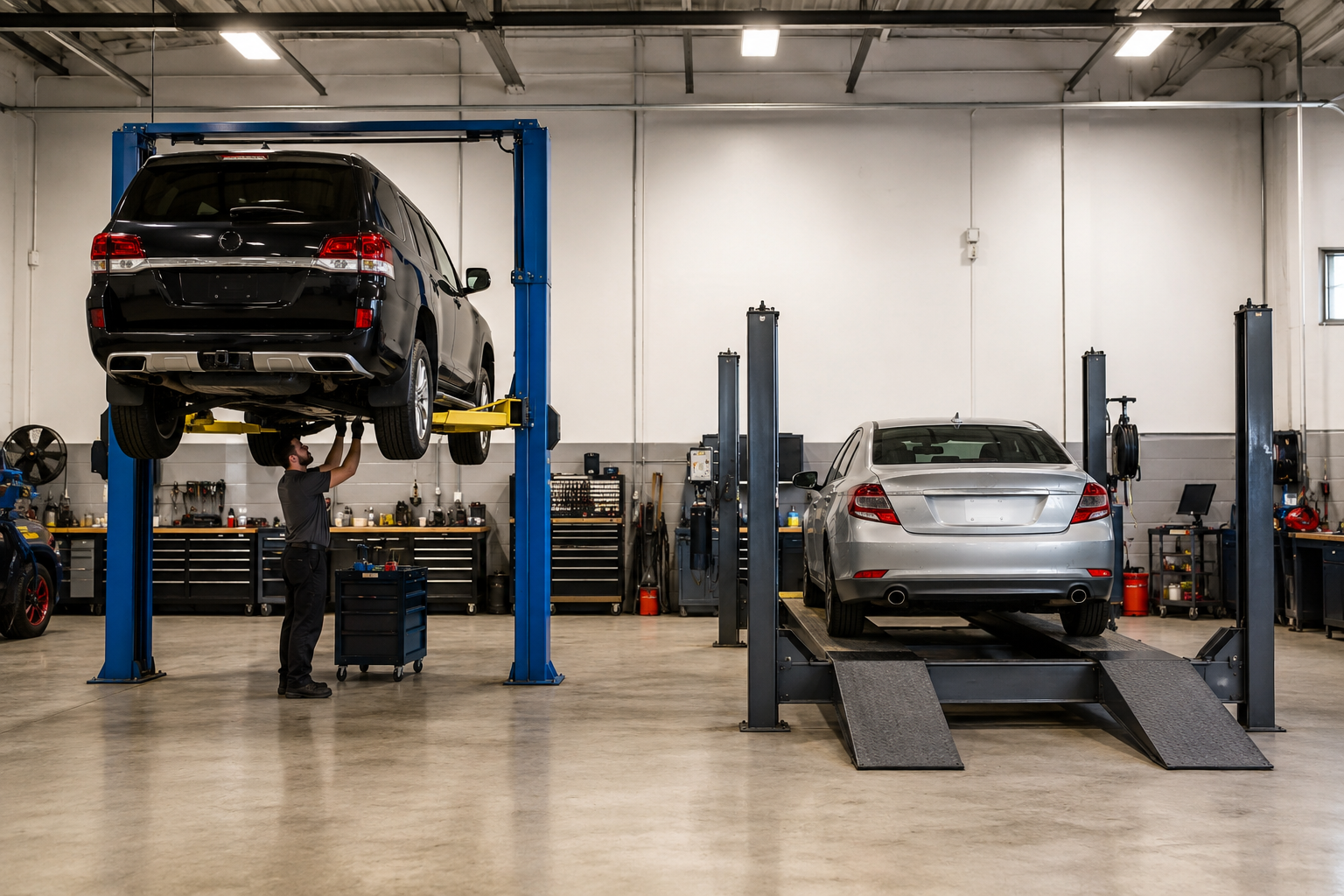
Storage lift upgrades are rarely triggered by a single dramatic failure. More often, they start with small, repeated inefficiencies that slowly chip away at profitability. Vehicles take longer to stage, technicians waste time maneuvering around tight clearances, and storage routines become awkward rather than efficient.
Older storage lift systems were often selected based on vehicle sizes, workloads, or budgets that no longer reflect how a garage operates today. When usage changes but equipment doesn’t, the cost shows up quietly through labor inefficiency, workflow disruption, and increased risk rather than obvious breakdowns.
What a Garage Storage Lift System Is Designed to Do
A garage storage lift system is built for static load support over extended periods. Its primary purpose is to safely hold vehicles or equipment while maximizing usable floor space below.
Unlike service lifts, storage systems are not optimized for frequent lifting cycles. Their design prioritizes structural stability, load distribution, anchoring integrity, and long-term safety. Because of this, upgrading a storage lift is less about speed or convenience and more about matching the system to how vehicles are staged, accessed, and protected.
Storage Lift Types and How Upgrade Costs Differ
Garage storage lift systems vary based on structure and use case, which directly affects upgrade cost.
Four-Post Storage Lifts
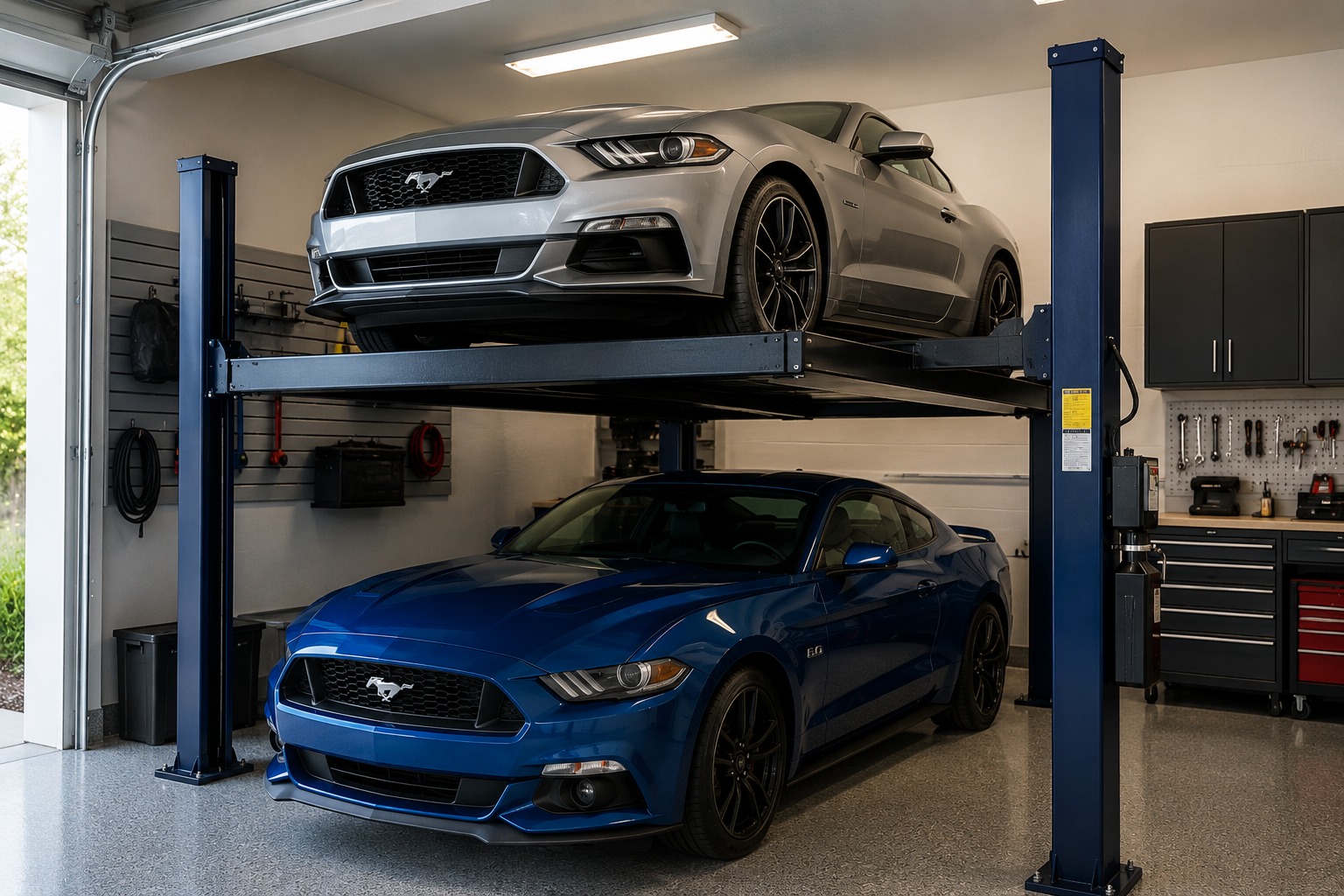
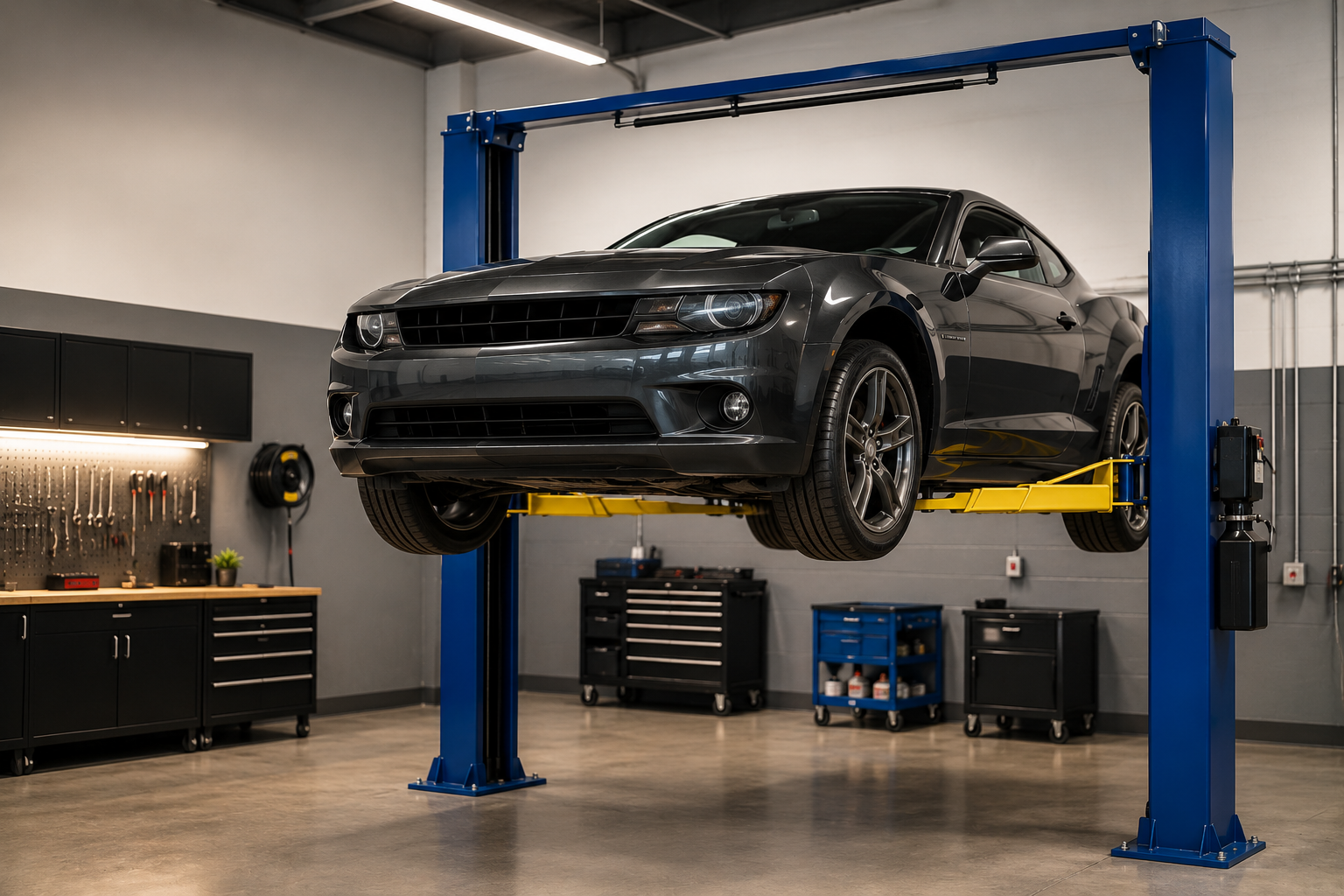
Four-post storage lifts are the most common option for vehicle storage. They distribute weight evenly across multiple columns and are suitable for long-term storage without placing stress on the vehicle frame. Upgrade costs typically increase with higher capacity ratings, longer runways, and improved safety features.
Stacked Parking Systems
Stacked parking systems are designed to store vehicles vertically in tighter spaces. These systems often require more precise installation and alignment, which can increase labor and structural preparation costs during an upgrade.
Structural and Installation Costs That Are Often Missed
The lift itself is only one part of the upgrade cost. Structural and installation factors often account for a significant portion of the total investment.
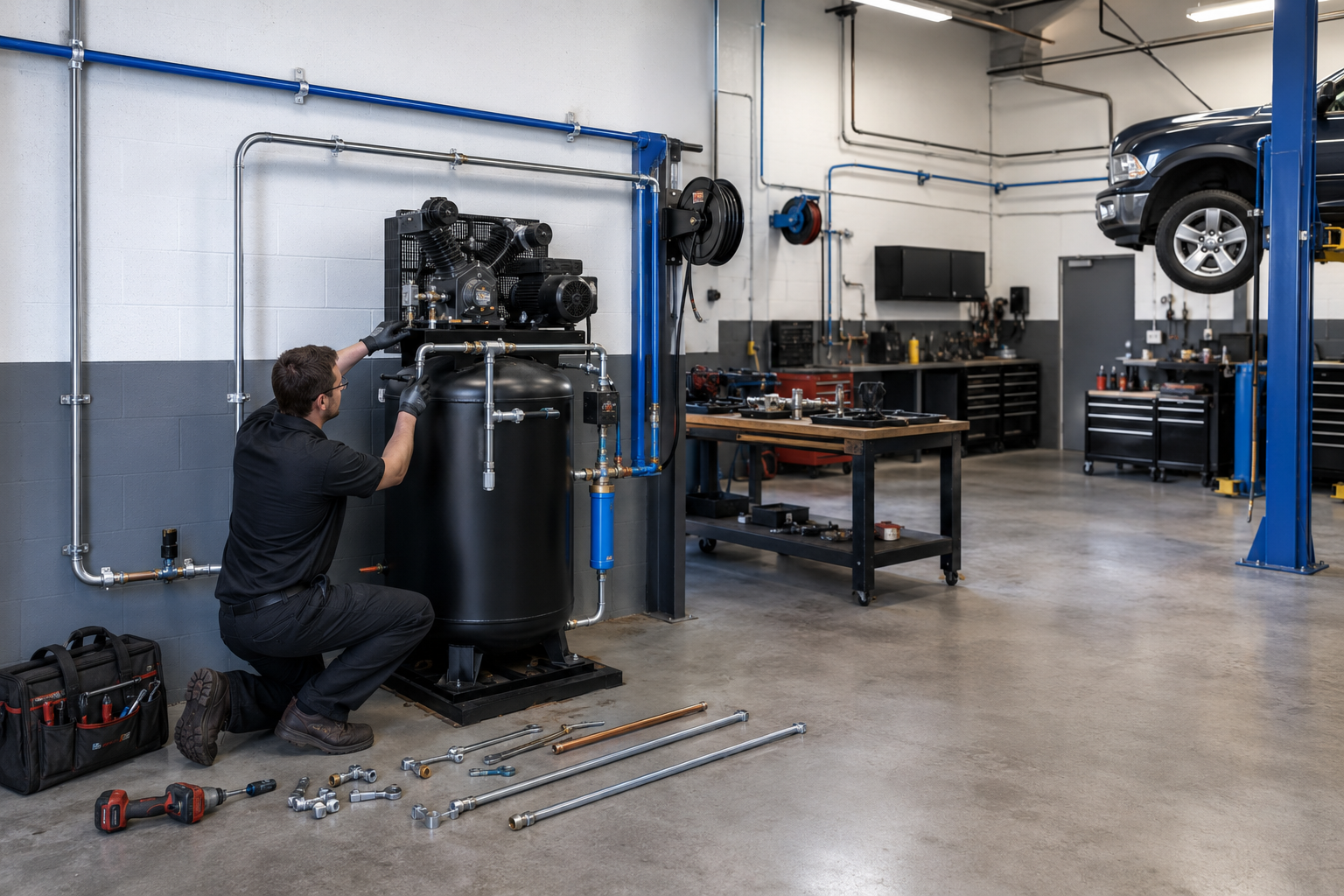
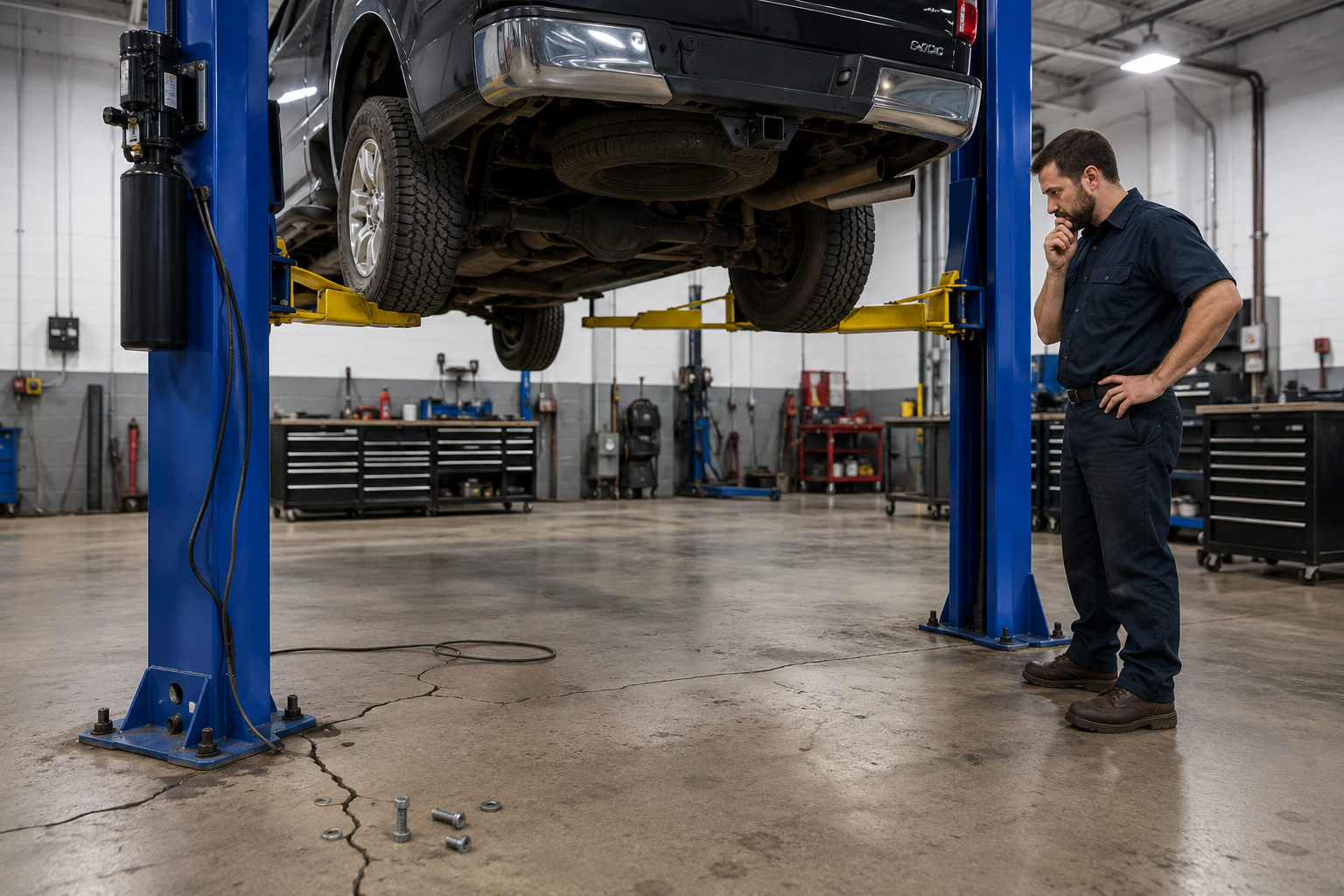
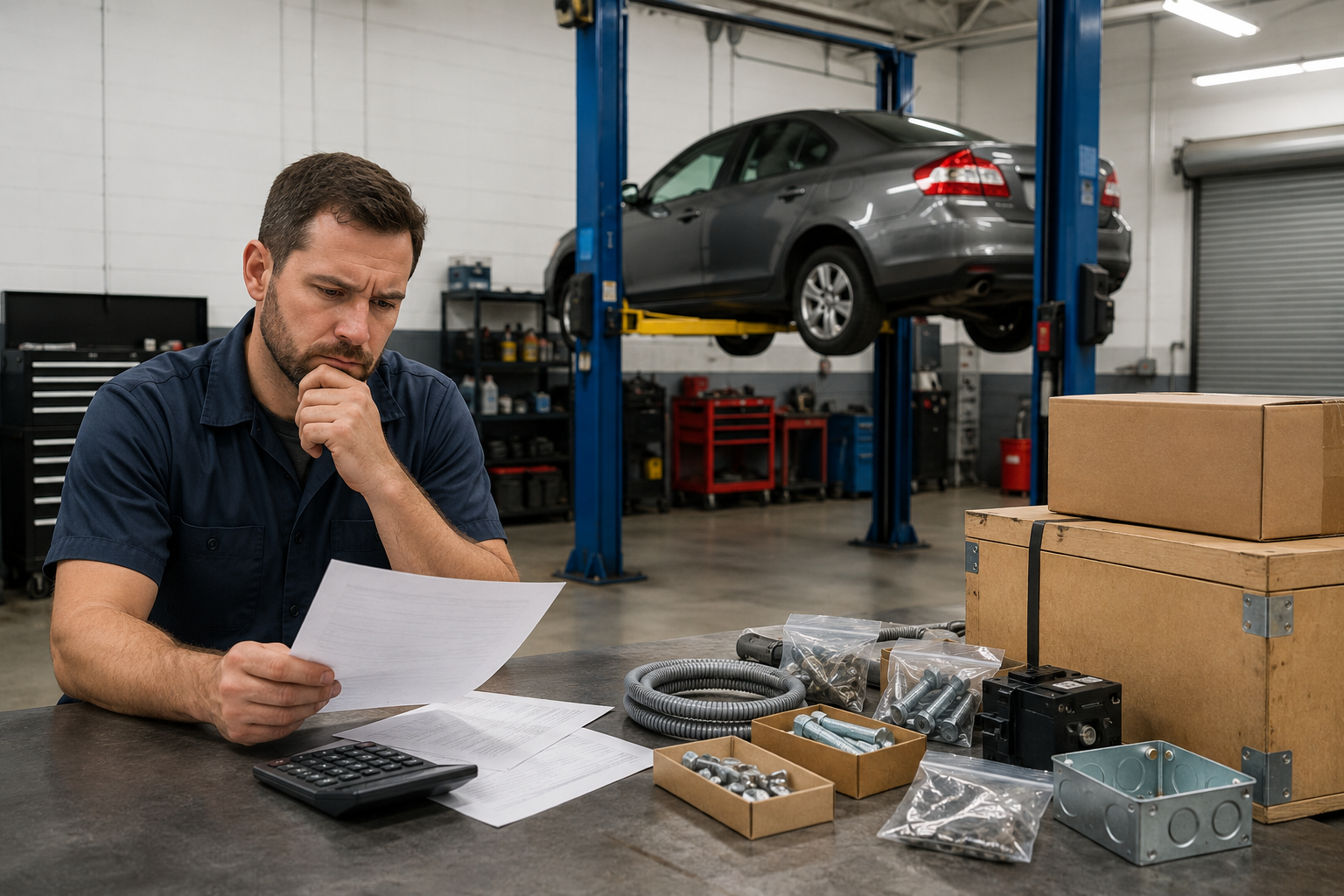
Before upgrading, garages must consider ceiling height, column placement, slab thickness, and anchoring requirements. Older buildings may require reinforcement or layout adjustments to safely support newer systems. Electrical needs, safety controls, and access clearance also affect installation complexity.
These costs are highly dependent on the building and cannot be estimated accurately without evaluating the space itself.
When an Upgrade Makes Financial Sense
Upgrading a storage lift system becomes cost-effective when inefficiencies start affecting daily operations. The following situations commonly justify an upgrade:
- Increased vehicle size or weight compared to the original system rating
- Repeated delays during vehicle staging or retrieval
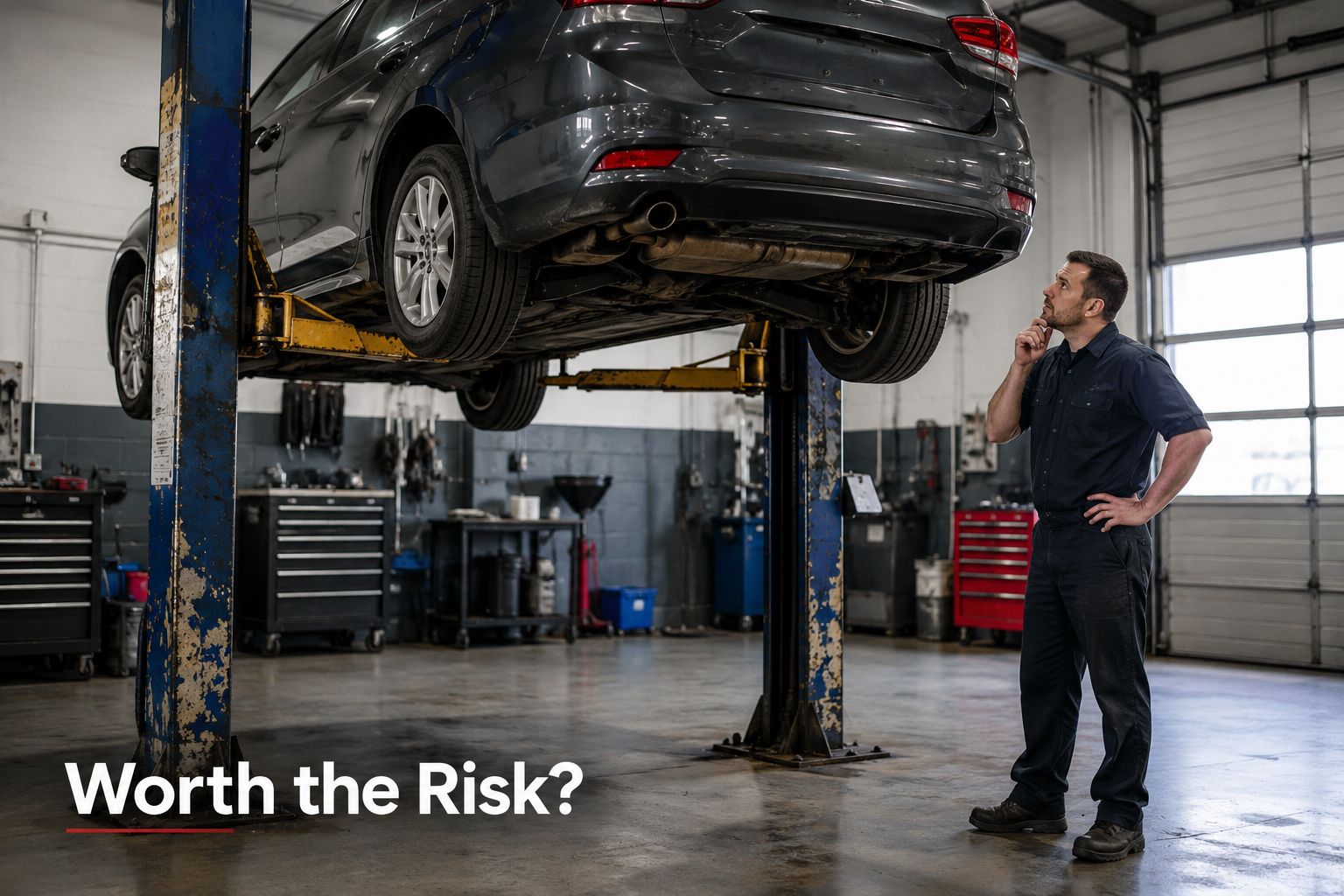
- Safety concerns related to clearance, stability, or wear
- Higher labor costs caused by inefficient storage routines
When these issues occur regularly, the cost of not upgrading often exceeds the cost of replacing the system.
Long-Term Costs Beyond the Purchase Price
Storage lift upgrades have ongoing cost implications that extend beyond installation.
Better-designed systems reduce wear on vehicles, lower the risk of accidental damage, and improve technician efficiency. Poorly matched systems increase maintenance needs and can create liability risks over time. Energy usage, inspection requirements, and downtime during maintenance should also be factored into long-term cost planning.
Garages operating in areas with mixed residential and commercial use, such as parts of Angier, NC, often place higher value on safety, reliability, and clean operation, which makes system quality more important than upfront savings.
How to Evaluate an Upgrade Before Committing
A structured evaluation helps prevent overspending or underbuying when upgrading a storage lift system.
- Review current usage patterns
Identify how often vehicles are stored, moved, and accessed. - Match lift capacity to actual vehicle weights
Consider present and future vehicle types rather than past needs. - Assess building constraints early
Confirm ceiling height, slab condition, and clearance requirements. - Account for workflow impact
Evaluate how the upgrade will improve or hinder daily operations.
Approaching the upgrade this way keeps decisions grounded in operational reality rather than assumptions.
Frequently Asked Questions About Storage Lift Upgrade Costs
How much does it cost to upgrade a garage storage lift system?
Costs vary depending on lift type, capacity, building conditions, and installation requirements rather than a single fixed number.
Can an existing storage lift be modified instead of replaced?
In some cases, components can be upgraded, but structural limitations often make full replacement more practical.
Do storage lifts require inspections after upgrading?
Yes. Most systems require inspection to ensure compliance with safety and load standards.
Is upgrading a storage lift safer than continuing to use an older system?
Upgraded systems often include improved safety features and better load handling, reducing long-term risk.
How long does a storage lift system typically last?
With proper maintenance, quality storage lift systems can remain in service for many years.
Final Thoughts on the Real Cost of Storage Lift Upgrades
Upgrading a garage storage lift system is not just about replacing equipment—it’s about correcting inefficiencies that affect labor, safety, and daily workflow. The true cost includes installation, structural considerations, and the long-term impact on how the garage operates.
For garages evaluating storage lift upgrades, working with an experienced provider like
L&D Shop Solutions LLC helps ensure the system selected aligns with real operational needs rather than surface-level specifications. A well-planned upgrade protects vehicles, improves efficiency, and delivers value long after installation.